US · timeline.com

Skincare 101: The Science of Skin Aging

What happens when skin ages?


This email was sent

Is this your brand on Milled? Claim it.

What happens when skin ages?
Skincare 101
What happens when skin ages?
Welcome to our first installment of Skincare 101!
This week we’ll be diving deep into the science behind skin aging.
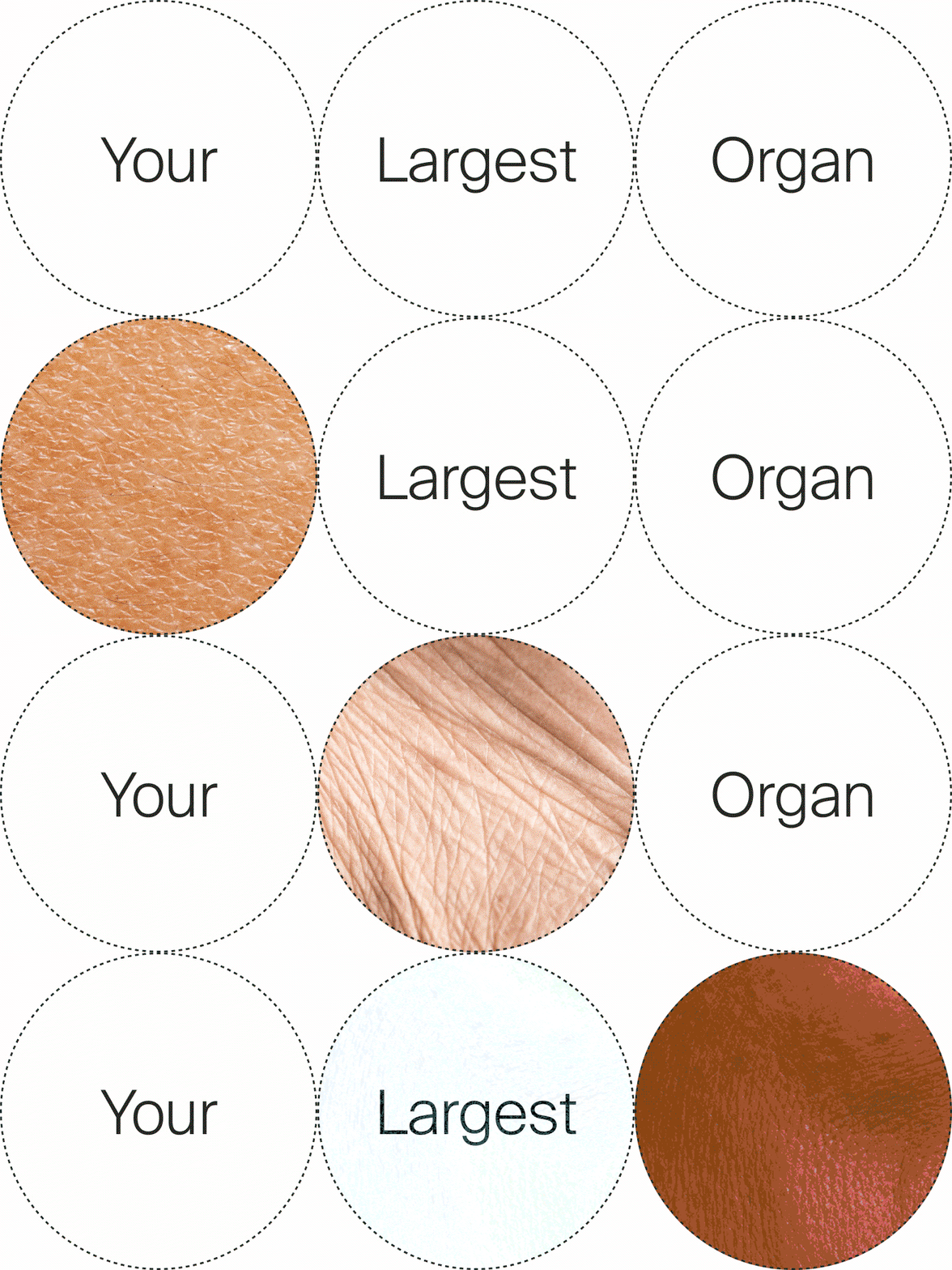
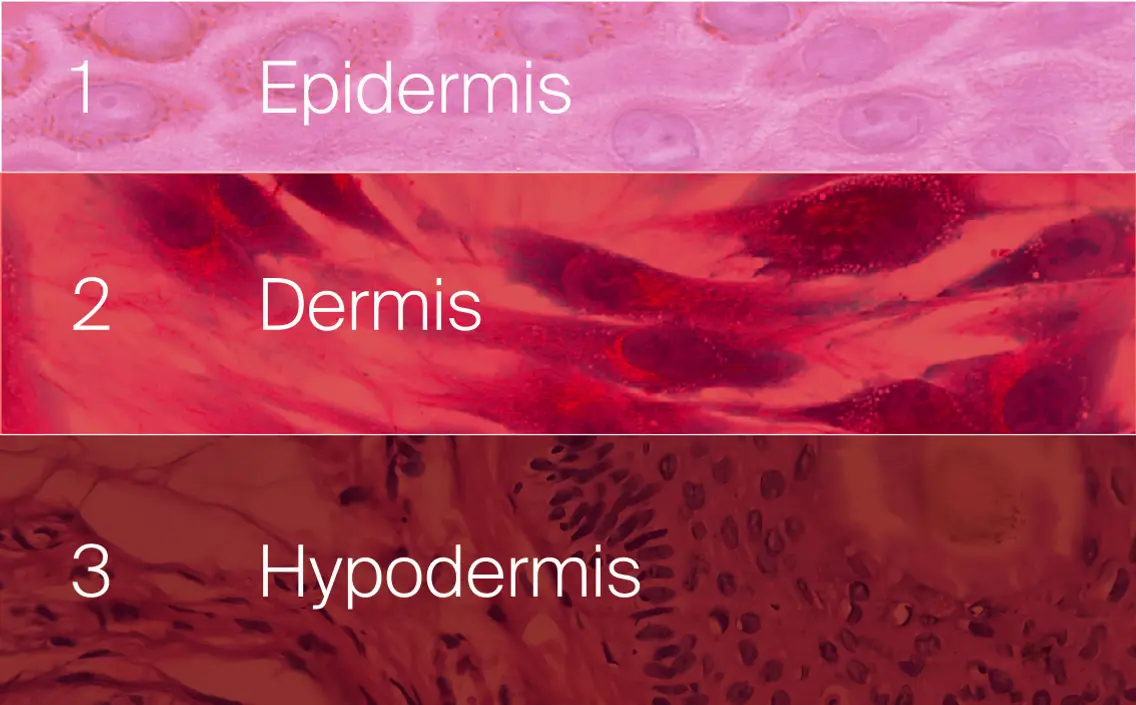
First let’s start with the most basic question of all. What exactly is skin? Well first and foremost, skin is the largest organ in your body. It is also a physical and chemical barrier between yourself and the world around you, an important part of your immune system, and the way you regulate moisture and temperature. The skin consists of 3 layers of specialized cells known as the epidermis, dermis, and hypodermis, and all of these types of cells require a great deal of energy to support the important role skin plays in your overall health.
As we age our skin is exposed to intrinsic or biological and extrinsic or environmental aging factors. These aging factors have the cumulative effect of reducing our skin’s energy production and therefore making skin less efficient at playing its critical role in our health. They are also responsible for the signs of aging we see in the mirror.
1.
The epidermis is mainly composed of keratinocytes that impart strength and drive skin cell renewal, and melanocytes which produce melanin. As we age, the aging keratinocytes are less able to maintain a strong skin barrier and the melanocytes’ melanin production becomes less even, leading to dark spots.
2.
The dermis is made up of fibroblasts which produce collagen and elastin giving the skin its thickness and elasticity. As our cells age, fibroblasts produce less collagen and elastin leading to thinner more fragile skin.
3.
The hypodermis is made up of adipocytes or fat cells and is the bottom layer of the skin. It protects the body from injury, is a very powerful insulator, and is rich in connective tissue, connecting the skin to the muscle. As we age, the hypodermis becomes thinner and less connective tissue is available to link the skin to the muscle, contributing to skin sagging.
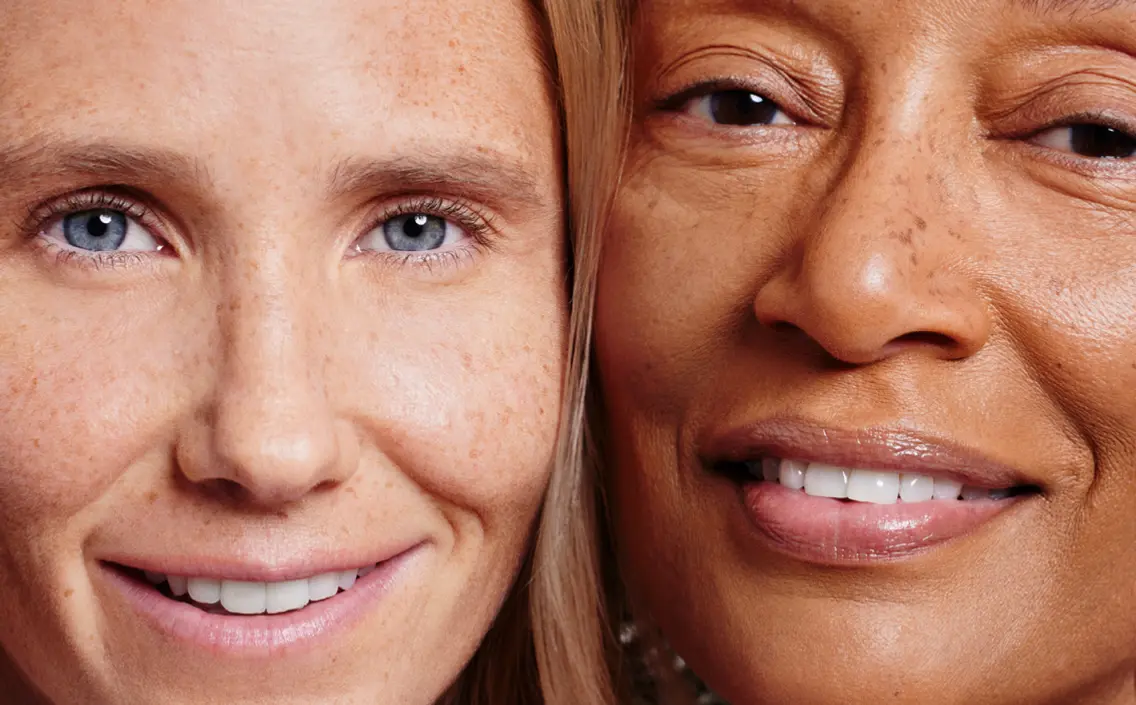
Skin aging can vary depending on skin type and ethnicity, but in general you can expect:
Skin thickness reduces every decade by about 6%
Keratinocytes change shape
Melanocytes decrease
Sebum production decreases by as much as 60%
Water and fat content of the skin declines
Collagen and elastin decrease
But don’t despair! Science is here to help you improve your overall skin health and resist intrinsic and extrinsic aging factors for more youthful-looking skin. Stay tuned for next week’s Skincare 101 installment to learn about the role of mitochondria in skin aging!

Further Reading

What happens when our skin ages?
The science of skin aging, how it happens, what to expect and steps you can take to slow down the effect of internal and external stressors

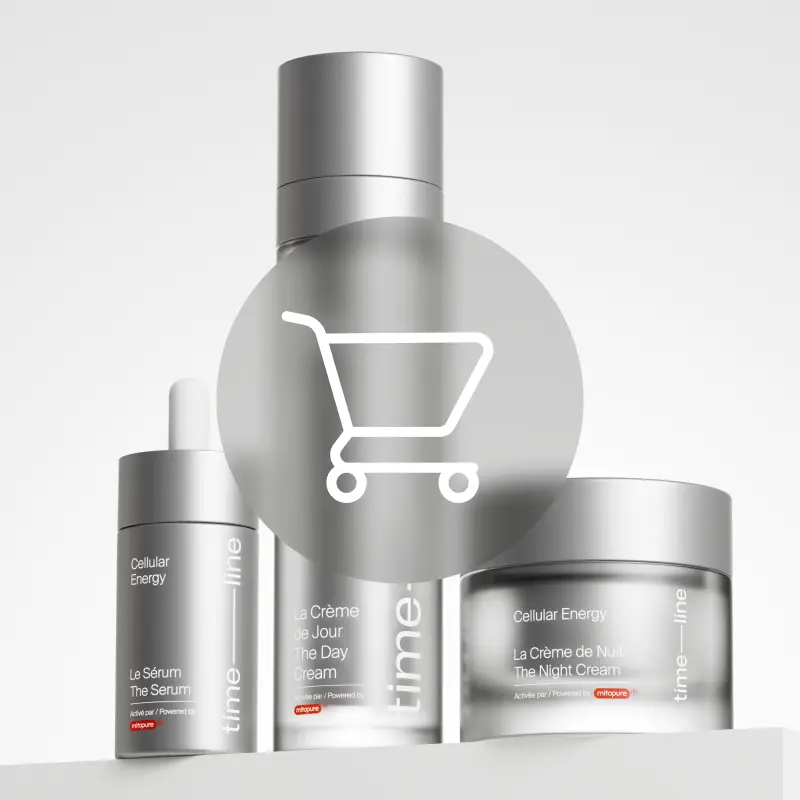
Explore Timeline’s skin health range
The first and only skin health line to be powered by Mitopure®. Formulated for all skin types and genders.

Amazentis SA, EPFL Innovation Park, Bâtiment C 1015 Lausanne, Vaud, CH
Want to stop receiving emails from us? Unsubscribe
Are you sure?

Lists help you organize the brands that you care about. Your lists are private to you.