Could a hidden nutrient deficiency be draining your energy, affecting your digestion, and even impacting your mood?
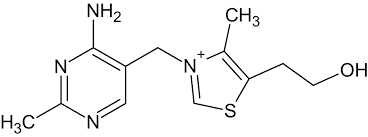
I'm talking about vitamin B1, also known as thiamine.
Most people have never heard much about it, but thiamine plays a critical role in helping your body convert food into energy. In fact, it's essential for healthy nerve function, digestion, brain health, and even the vagus nerve—the communication highway between your brain and gut.
When B1 levels start to dip, the signs can be surprisingly widespread:
• Fatigue and low energy
• Brain fog and poor concentration
• Anxiety or feeling "on edge"
• Constipation and sluggish digestion
• Tingling hands and feet
• Dizziness when standing
• Heart palpitations
• Shortness of breath
What makes thiamine so fascinating is that low levels can masquerade as many different health concerns, making it easy to overlook.
And unfortunately, modern life isn't doing us any favors. Stress, sugar, alcohol, certain medications, and even aging can all increase your body's need for this important nutrient.
One of the things I love most about B1 is its ability to help support the body's energy circuitry—the connection between your brain, nerves, and digestive system.
You can find thiamine in foods like sunflower seeds, legumes, pork, and nutritional yeast. But if you're dealing with persistent symptoms, it may be worth taking a closer look at whether you're getting enough.
Sometimes the smallest nutrient can make the biggest difference!