uqora.com

What is Interstitial Cystitis aka IC?

aka chronic bladder pain


This email was sent

Is this your brand on Milled? Claim it.

aka chronic bladder pain
 ‌ ‌ ‌ ‌ ‌ ‌ ‌ ‌ ‌ ‌ ‌ ‌ ‌ ‌ ‌ ‌ ‌ ‌ ‌ ‌ ‌ ‌ ‌ ‌ ‌ ‌ ‌ ‌ ‌ ‌ ‌ ‌ ‌ ‌ ‌ ‌ ‌ ‌ ‌ ‌ ‌ ‌ ‌ ‌ ‌ ‌ ‌ ‌ ‌ ‌ ‌ ‌ ‌ ‌ ‌ ‌ ‌ ‌ ‌ ‌ ‌ ‌ ‌ ‌ ‌ ‌ ‌ ‌ ‌ ‌ ‌ ‌ ‌ ‌ ‌ ‌ ‌ ‌ ‌ ‌ ‌ ‌ ‌ ‌ ‌ ‌ ‌ ‌ ‌ ‌ ‌ ‌ ‌ ‌ ‌ ‌ ‌ ‌ ‌ ‌ ‌ ‌ ‌ ‌ ‌ ‌ ‌ ‌ ‌ ‌ ‌ ‌ ‌ ‌ ‌ ‌ ‌ ‌ ‌ ‌ ‌ ‌ ‌ ‌ ‌ ‌ ‌ ‌ ‌ ‌ ‌ ‌ ‌ ‌ ‌ ‌ ‌ ‌ ‌ ‌ ‌ ‌ ‌ ‌ ‌ ‌ ‌ ‌ ‌ ‌ ‌ ‌ ‌ ‌ ‌ ‌ ‌ ‌ ‌ ‌ ‌ ‌ ‌ ‌ ‌ ‌
uqora

Dropping in with your weekly dose of Uqora and urinary health news

Interstitial Cystitis affects an estimate of 3 to 8 million women

what is ic

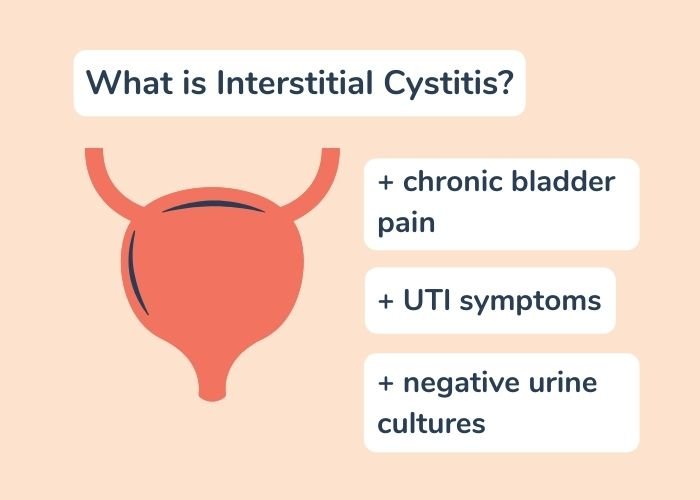
Interstitial Cystitis (also known as IC) is a general term for chronic bladder pain. IC is typically diagnosed based on exclusion meaning you are experiencing painful urinary symptoms, but are testing negative for an infection. IC is an incredibly frustrating diagnosis and experience for millions of people because it can often feel like there aren't any solutions. Let's break down what IC is and what to do if that's your diagnosis.

What is IC?

IC can possibly be explained by two types of recurrent UTIs: 1) UTIs caused by hidden bacteria and 2) UTIs caused by uncommon bacteria.

UTIs caused by hidden bacteria: A negative urine culture does not necessarily mean that an infection is not present and causing the symptoms of IC. The bacteria could be hiding within biofilm or tissue and are not present in the urine.

UTIs caused by unusual bacteria: Not all microbes will show up in a urine culture. Repeat negative cultures leading to an IC diagnosis may be a recurrent UTI (rUTI) caused by an unusual and difficult-to-detect pathogen.

What if I'm diagnosed with IC?

If you're currently experiencing chronic bladder pain and urine cultures coming back as negative, it's important to know you are not alone and there are things you can do to ensure that is in fact the proper diagnosis.

Rule out a possible embedded infection: There is strong evidence that rUTI is at least one likely cause of IC. New UTI testing techniques like DNA sequencing (aka microgen testing) and enhanced quantitative urine cultures (EQUC) are more sensitive and test for a wider range of potential pathogens. It's possible a standard urine culture test is inadequate.

Find a specialist to help: It's important to find a healthcare specialist that understands the complexities of IC and rUTI. We understand this is easier said than done. If you're currently looking for a specialist, check out our Good Doc Club for resources.

Join a support community: IC is complex and with limited research. Because there isn't enough clear research, not everyone in the medical community can agree on causes and explanations of IC. That's frustrating but it's important to know you are not alone and your experience is valid. We asked a Uqora customer to share her experience with IC here, which includes some helpful insights on what's helped her navigate this diagnosis.

READ MORE

Helpful links

If you want to dive deeper into IC, UTI testing and embedded UTIs, we recommend these additional reads:

UTI tests & what they mean

uti tests and what they mean

Understand the variety of UTI tests available and how they work. Read more

My journey with IC

my journey with ic

Hear from a Uqora customer living with IC. Read more

Biofilm & its role in rUTI

biofilm and recurrent utis

Learn how biofilm is a key culprit in rUTI. Read more

Connect with others just like you

The Uqora Collective is a safe place for people to connect, share stories and swap tips all about urinary health. It's important to know you are not alone.

When you join, introduce yourself to the group and share something about your urinary health journey. You'll be amazed how many people are willing to share and help. We're all in this together!

JOIN

Review of the week

review
READ REVIEWS
Twitter
Facebook
Instagram
No longer want to receive these emails? Unsubscribe.
Uqora 1909 State St. Ste. 200 San Diego, CA 92101
Are you sure?

Lists help you organize the brands that you care about. Your lists are private to you.