Dear -,
Greetings, this week’s US Chess Sales newsletter continues our Greatest Matches series with a dive into Capablanca vs. Tartakower, New York 1924. Our featured story revisits the strategic brilliance and subtle maneuvering that defined this encounter, highlighting key moments and the historical context that shaped both players’ legacies. Our story will bring this legendary match back to life on your board.
US Chess Sales is happy to announce the launch of our massive Memorial Day Sale. Enjoy massive savings of up to 20% off across our range of books, chess sets, boards, clocks, and training software. Whether you’re equipping a club, building up your library, or searching for a standout gift. Now is a great moment to pick up quality gear at reduced prices.
Taking advantage of the offer is straightforward. Shop normally and add items to your cart. Use the applicable coupon code at checkout; the savings will be applied automatically to your cart. Don’t hesitate to take advantage of US Chess Sales’ Memorial Day deals while stock lasts.
- 15% off purchases under $200. Use coupon VALOR15
- 20% off purchases of $200 or more. Use coupon VALOR20
US Chess Sales' first weekly blog post, "Who Is the Best Chess Player Ever?" is a lively, opinion-rich exploration of chess greatness. The post surveys legends from Steinitz to Carlsen, weighing achievements, styles, and historical context. Perfect for fans and newcomers.
This week our second US Chess Sales blog post offers you a complete guide to chess board woods. Our guide breaks down the unique look, feel, and performance of popular board materials. It highlights how maple, walnut, rosewood, ebony, and exotic hardwoods influence durability, contrast, and playing experience. The post aims to help players choose the ideal board by comparing aesthetics, maintenance needs, and long‑term value for home, club, or tournament use.
Wishing you great games this week,
The US Chess Sales Team
|
|
Feature Story
Capablanca vs. Tartakower, New York 1924
|
|
For chess coaches teaching their students how to win equal endgames, it’d be hard to find a better example than the legendary encounter between Capablanca and Tartakower at the New York Tournament of 1924. Capablanca is widely regarded as the all-time great of endgames, and this game sees him at the height of his powers.
New York 1924 – Battle of the Titans
The New York Tournament of 1924 was a hotly anticipated event. One of the world’s first-ever ‘super-tournaments’, it was to be remembered as a defining moment of the thriving early 20th-century chess scene.
The reigning world champion from Cuba, José Raúl Capablanca, was at the top of his game and seemed virtually invincible. Trying to topple the titan were former world champion Emanuel Lasker (Germany), future world champion Alexander Alekhine (France), and the creative genius Savielly Tartakower (Poland).
In round six, Capablanca met Tartakower in a game that would be forever remembered for Capablanca’s impeccable endgame play.
In the Endgame, Piece Activity is King!
“In order to improve your game, you must study the endgame before everything else.” – José Raúl Capablanca.
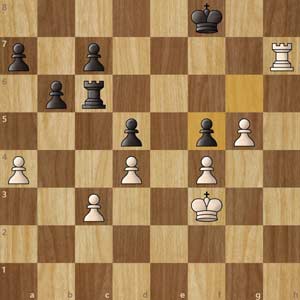
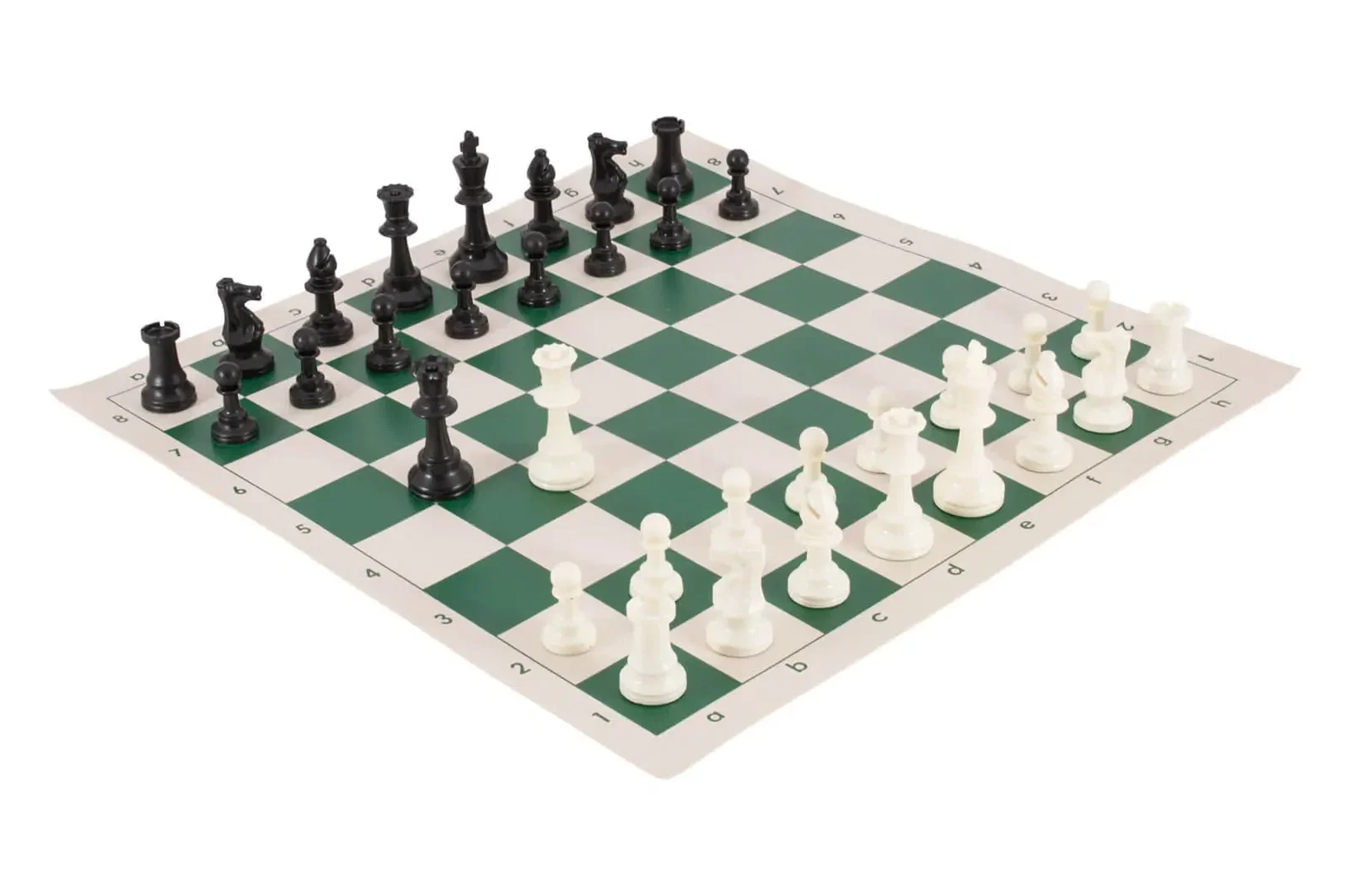
We join the game at move 35 with White (Capablanca) to move. Capablanca has already posted a rook on the 7th rank to restrict Black’s king and target the remaining 7th rank pawns. Now, Black is attacking White’s c3 pawn. What should White do?
|
|
Today, chess engine analysis confirms that Capablanca’s next move was the only good one: 35. Kg3. Capablanca had seen this sequence coming and was happy to let Black gain material in exchange for king activity. Although the king still remains several squares from assisting the passed pawn, it now has a direct route that Black can’t stop.
Here, Capablanca has put his faith in a classic endgame principle: Piece activity is often worth more than material in the long run.
The 7th Rank Rook Becomes Decisive
“A rook on the seventh rank is like a knife in the opponent’s position.” – José Raúl Capablanca.
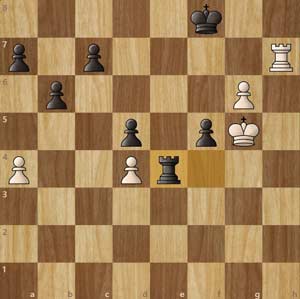
We return to the game on move 39. Black has captured two of White’s pawns and is threatening to capture a third. What should Capablanca do here?
|
|
Answer: 39. Kf6! Instead of catching up on material, Capablanca continues to advance his king to threaten pawn promotion and checkmate. Meanwhile, Black’s f-pawn actually provides useful cover for White’s king—a principle worth remembering to avoid debilitating checks.
Now it’s revealed how crucial that rook on the 7th rank has been all along. By remaining there, Capablanca has locked Tartakower’s king onto the back rank while his own king has become a formidable force on the 6th rank.
Although Black is two pawns up, White’s constant threats of checkmate and pawn promotion prove too much for Black to bear. Capablanca uses his initiative to swiftly consume Black’s pawns and win the endgame comfortably.
Lessons Learned
Although Capablanca didn’t win the New York tournament, this endgame was immortalized by his flawless positional play move after move. Indeed, this has become one of the most classic endgame textbook examples to demonstrate that piece activity and solid endgame strategy often outweigh material advantage in the long run.
|
|
Who Is the Best Chess Player Ever?
|
|
For some, the greatness of a player does not come down to statistics, but to a perfect combination of qualities and abilities. |
|
The Complete Guide to Chess Board Woods
|
|
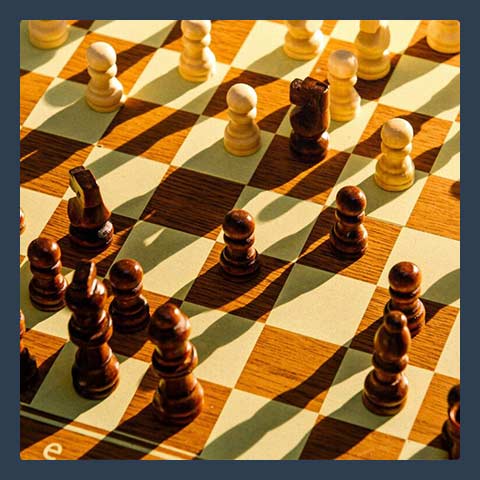
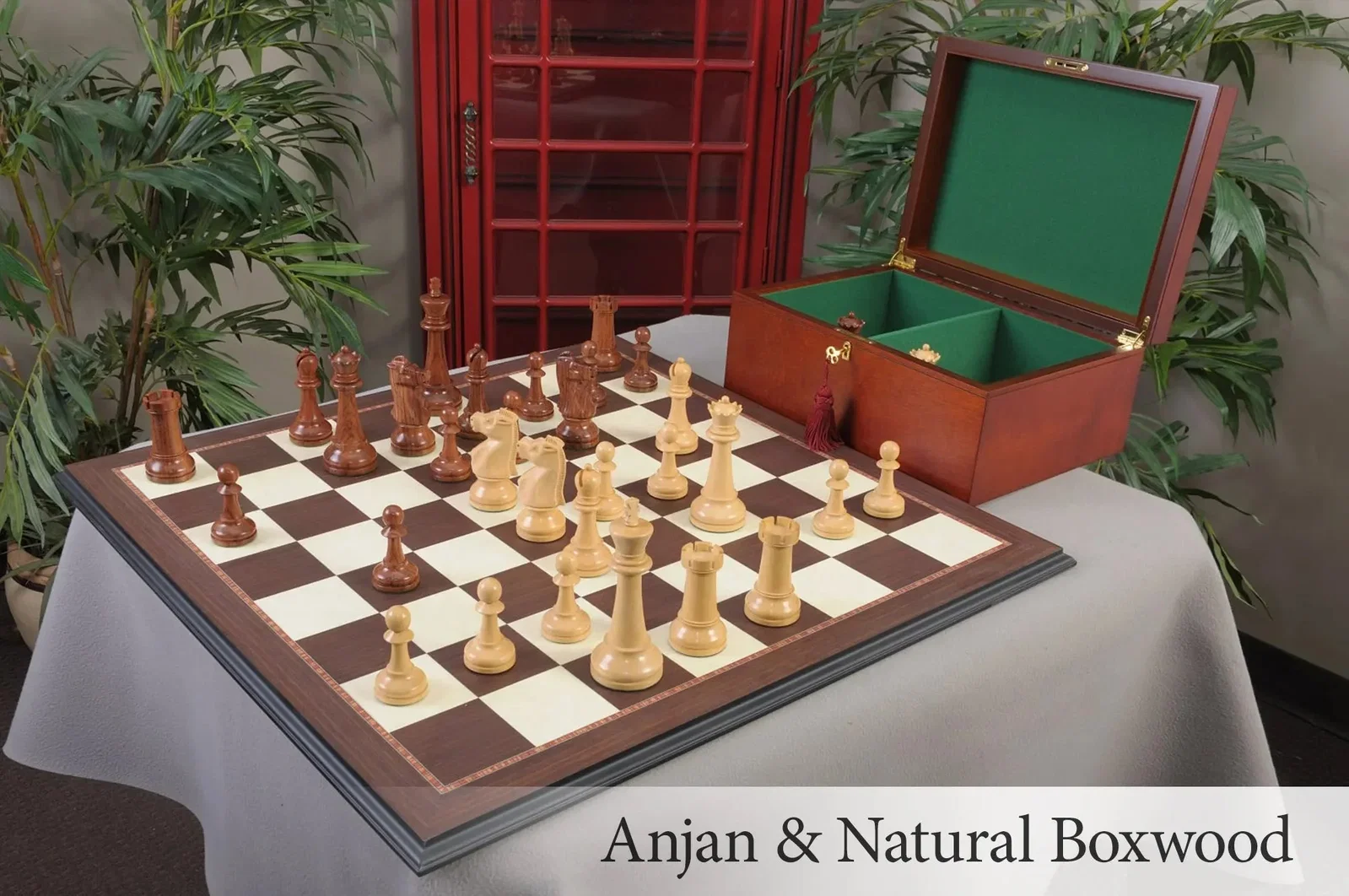
Wood is a favorite material for making chess boards for obvious reasons. Wooden chess boards don’t just look classic; they are of excellent quality. The color, texture, and solidity of the right wood will last long enough to become heirlooms, antiques, or even historical artefacts. |
|
|
|
|