Dear Chess Player,
This week, US Chess Sales opens the newsletter with a look into a classic chess weapon: Alekhine's Gun. Our featured story explains the formation, strategic ideas, historical examples, and how to build and exploit the battery. Readers get practical tips for recognizing the pattern in middlegame play. The story is ideal for club players, coaches, and collectors seeking tactical inspiration.
This week, the first US Chess Sale blog post looks into checkers boards. While chess and checkers boards look identical at first glance. This blog post explores why they are structurally and functionally unique. The article breaks down how different variations alter board dimensions and how these constraints fundamentally shape the strategic depth and cultural legacy of each game.
Our second blog post of the week at US Chess Sales, Navigate the massive world of chess literature, which can be incredibly daunting for players looking to improve. This post cuts through the noise to highlight the foundational, must-own texts that effectively translate abstract concepts into concrete winning plans. The article showcases iconic classics that teach essential positional strategy, endgame mastery, and disciplined tactical thinking.
Wishing you great games this week,
The US Chess Sales Team
|
|
Feature Story
Alekhine's Gun
|
|
Alekhine’s Gun is more than just a chess battery—it's the most powerful configuration to pile pressure on an open file. By stacking up two rooks in front of a queen, you set up a heavyweight weapon that, when wielded with skill, can crush everything in its path.
But why is it called Alekhine’s Gun, and when should you use it?
Alekhine vs. Nimzowitsch, 1930: The Birth of ‘Alekhine’s Gun’
The fourth world chess champion, Alexander Alekhine, was renowned for his fierce, creative style and positional prowess. Highly regarded as a chess theoretician, one of his lasting contributions to the game was Alekhine’s Gun.
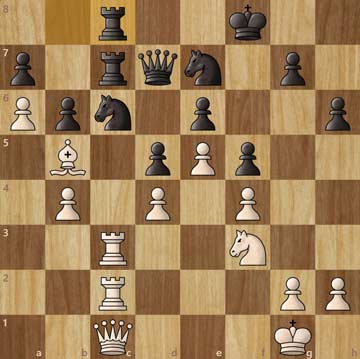
Although the battery formation of a queen behind two rooks wasn’t a new idea, Alekhine immortalized it in his victory over Aaron Nimzowitsch in their memorable game played at Sanremo, Italy, in 1930. Alekhine completed the ‘gun’ by playing Qc1 on move 26.
With all three major pieces stacked up, White builds crushing pressure on the open c-file. Black has defended the pinned knight temporarily with 26…Rbc8, but not for long. Can you find Alekhine’s next move?
|
|
Answer: Ba4! Alekhine shifts his bishop back to allow his b-pawn to advance. While Nimzowitsch could delay this attack, he couldn’t prevent it altogether. The threat of White playing b4-b5 was so final that Nimzowitsch decided to resign instead.
Alekhine’s decisive formation has gone down in chess history, and many grandmasters have used it since.
Another Example: Karpov vs. Spassky, Montreal 1977
In 1977, nearly 50 years after the term was coined, reigning world champion Anatoly Karpov employed Alekhine’s Gun in a celebrated maneuver against former world champion Boris Spassky.
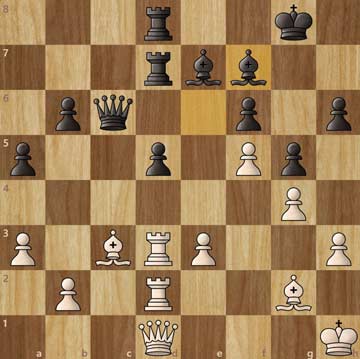
At move 36, the two sides are locked into a fairly even positional battle. Yet, Spassky has an isolated pawn on d5, and Karpov decides to coordinate all his heavy pieces to take it down.
For many moves, Black has been trying to hang onto the pawn. Can you find Karpov’s next move to finally win it?
|
|
Answer: e4! Once again, this example highlights that this 3-piece battery not only targets the first enemy piece on the file but also the pieces behind it. The d5 pawn is pinned and will therefore fall to White’s pawn.
Karpov went on to win the game, and it’s highly likely that he owed it partly to Alekhine’s legacy.
How You Can Use Alekhine’s Gun
While Alexander Alekhine made his ‘gun’ famous, the formation is a natural result of solid chess strategy. You should always be looking for chances to control open or semi-open files.
When more pressure is needed on an open file, stack up more pieces to create a battery. Since placing two rooks in front of a queen is the most powerful way to overload an open file, consider Alekhine’s Gun when you need to make a breakthrough.
Remember, Alekhine’s Gun is especially powerful when there’s a pinned piece on an open file. Train yourself to look for these opportunities, and you might find yourself coordinating your heavy pieces into an ingenious weapon just like Karpov or Alekhine himself!
|
|
Is A Checkers Board The Same As a Chess Board?
|
|
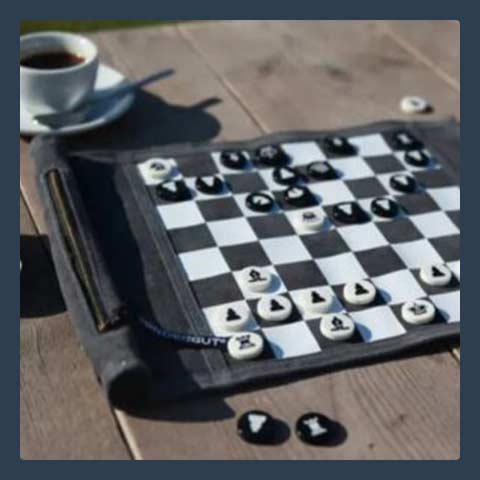
A checkers board may seem straightforward, but its history is surprisingly deep. This article explores how the board evolved from chess, why official tournament colors differ, and how checkers became one of the most mathematically complex games ever solved by computers. You’ll also discover excellent travel sets designed for both chess and checkers. |
|
Which Chess Books Should Every Player Have
|
|
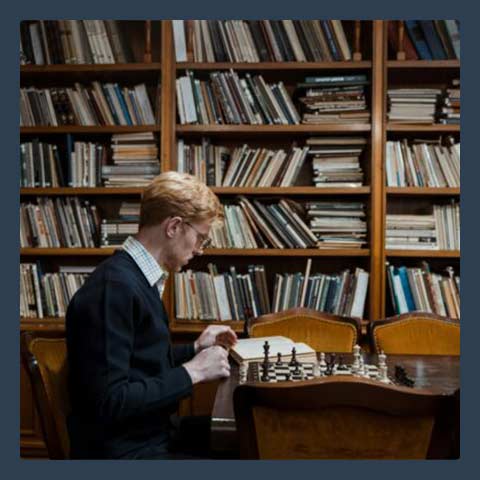
In an era of instant AI analysis and gamified puzzle apps, opening a 400-page paper chess book can feel retro. But while digital tools test your sight, books teach you how to think. You don't need hundreds of titles—just a few foundational texts that turn abstract squares into concrete plans. |
|
Blog Post-Related Featured Products
|
|
|
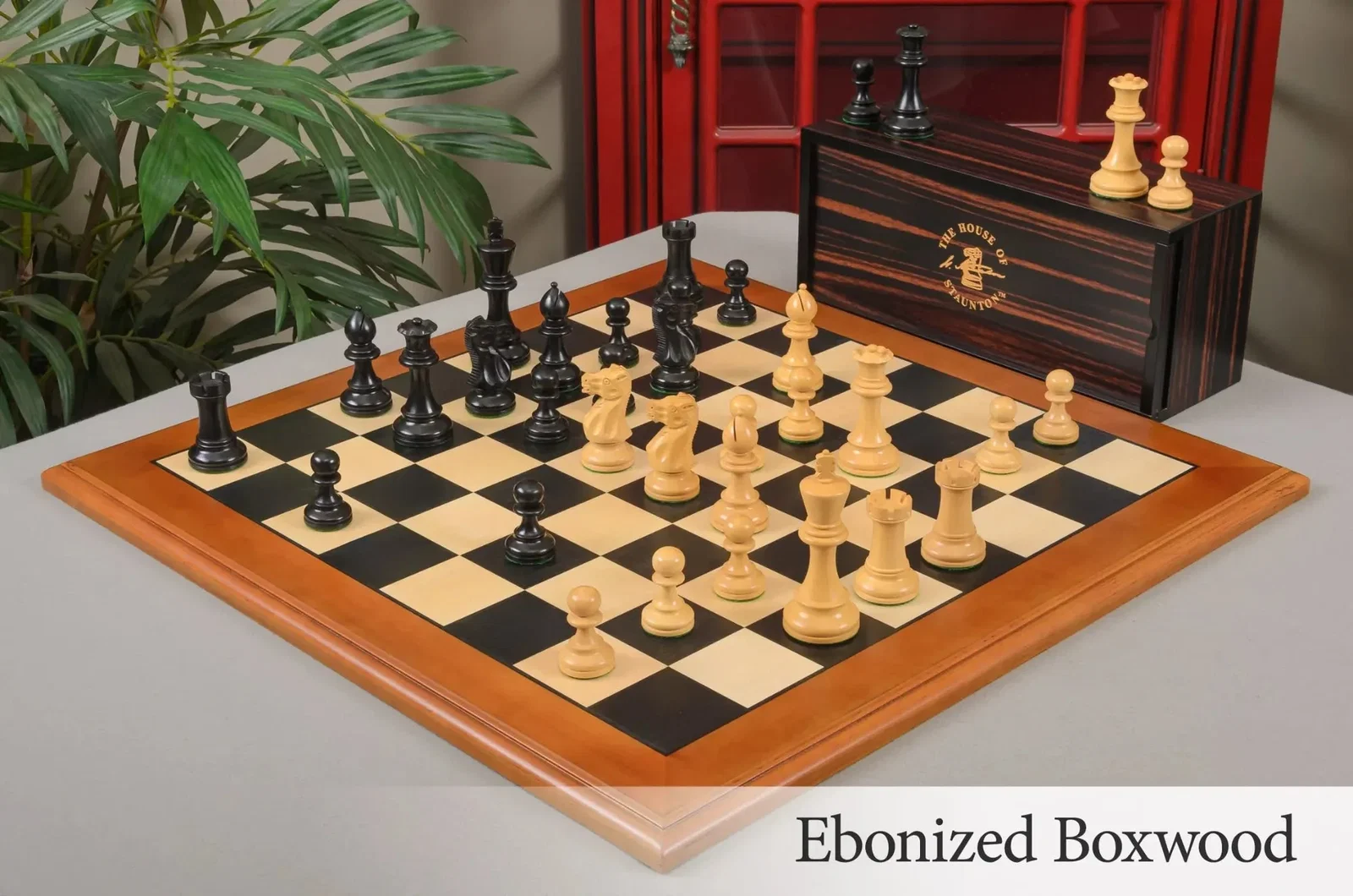
| The Superior Grandmaster Chess Set, Box, & Board Combination |
|
|
|
|
|
|
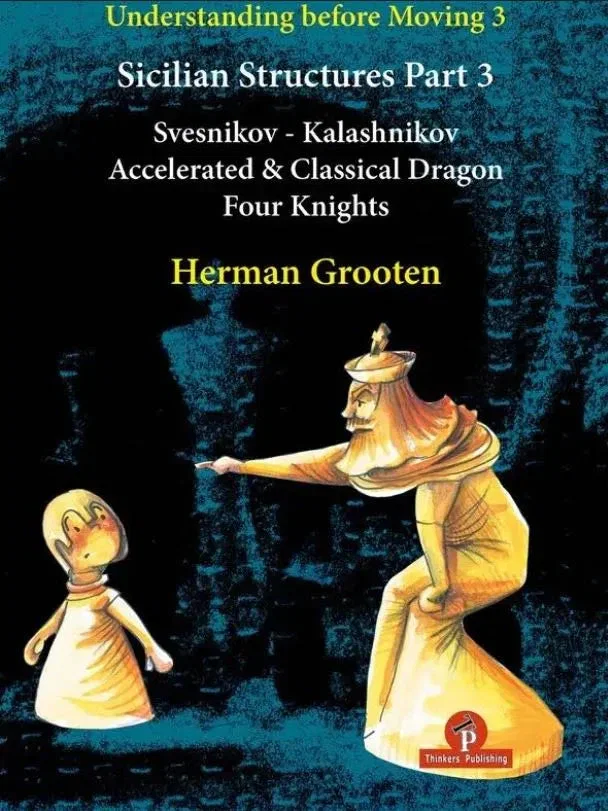
| Understanding Before Moving 3: Sicilian Structures Part 3 |
|
|
|
|
|
|
|
|
════ ⋆★⋆ ════
Explore Our Luxury Chess Collections
|
|
|
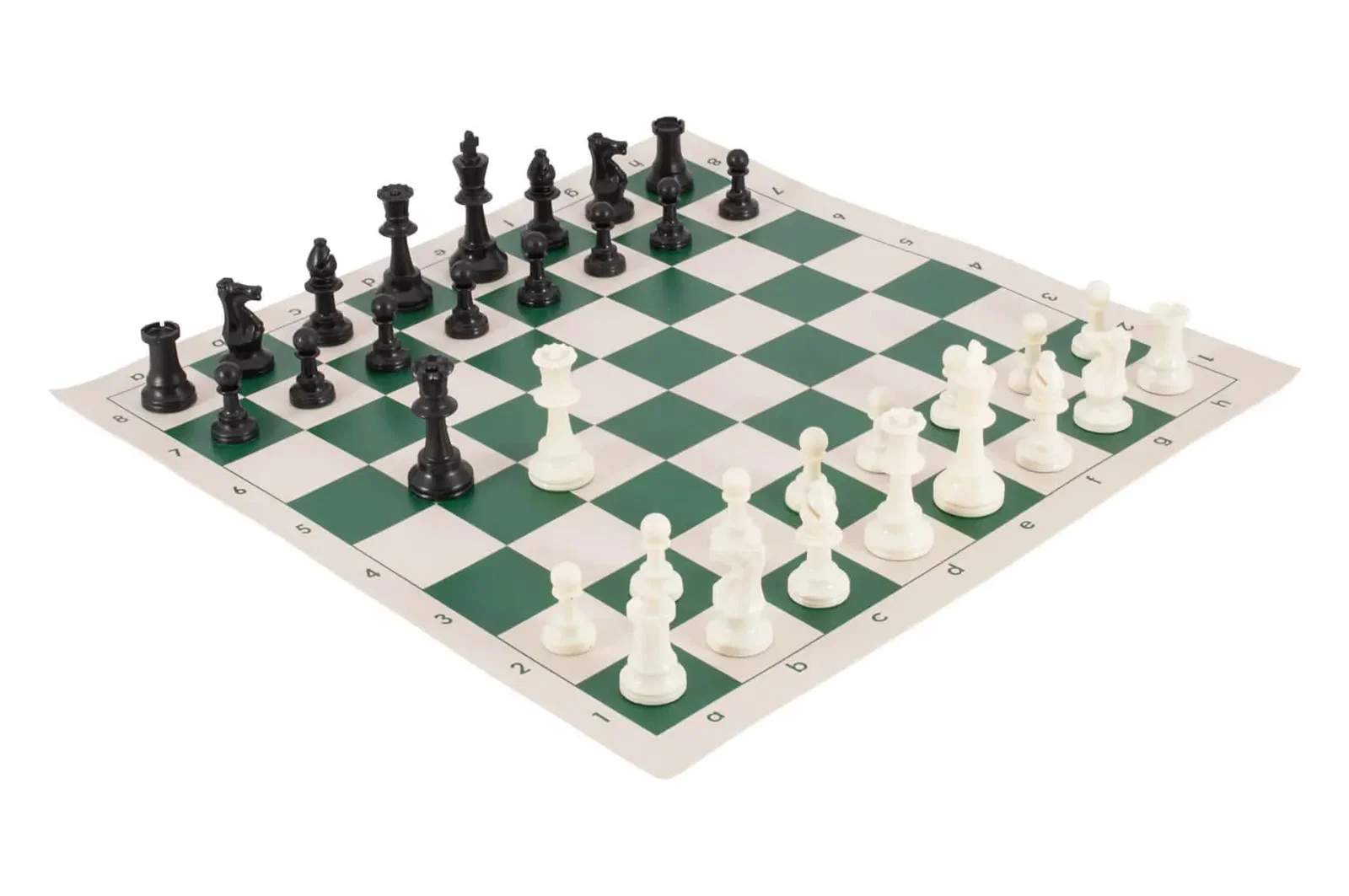
| Regulation Tournament Chess Pieces and Chess Board Combo - SINGLE WEIGHTED |
|
|
|
|
|
|
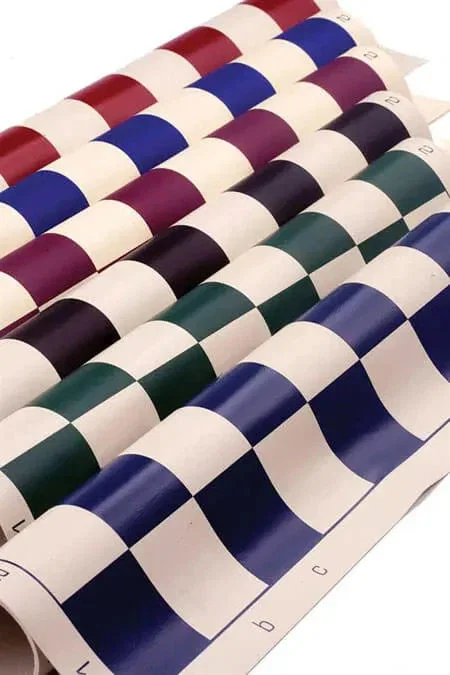
| Regulation Vinyl Tournament Chess Board - 2.25" Squares |
|
|
|
|
|
|
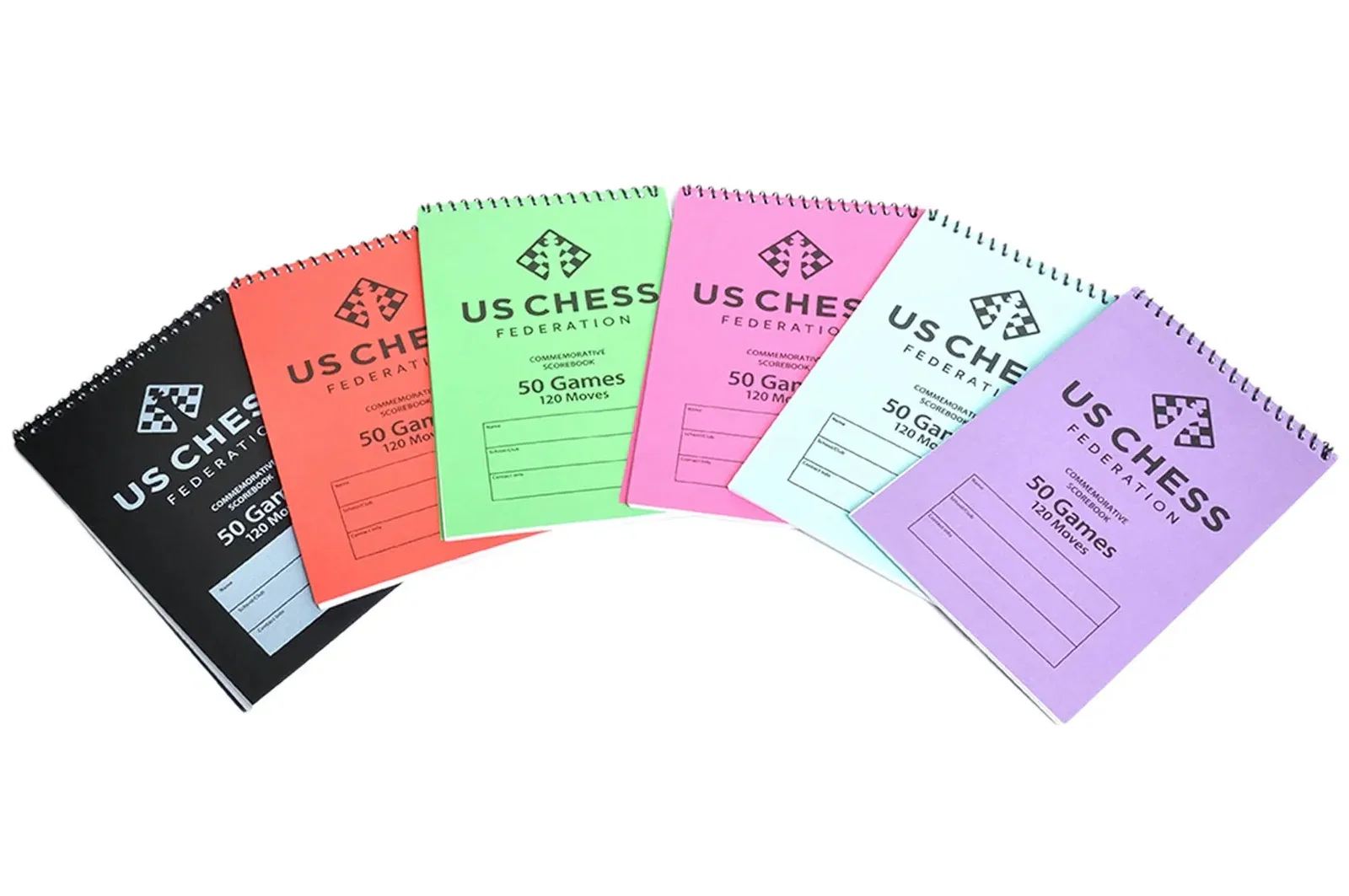
| US Chess Federation Commemorative Spiral Scorebook (120 Moves/Game) |
|
|
|
|
|
|
|
|
Save 10%
On All Orders
Use Coupon code - SKEWER10
|
|
Valid through June 28th, 2026
*Excludes Clearance, Shopworn, Imperfect, or Otherwise Marked
|
|
No longer want to receive these emails? Unsubscribe.288 Dunlop Boulevard Building 400 Huntsville, Alabama 35824
© 2026 US Chess Sales. All Rights Reserved.
|
|
|
|
|