Dear Chess Player,
Greetings from the US Chess Sales newsletter. This week, our featured story carries on our greatest games series with a deep dive into Kasparov vs. Karpov, World Championship 1984, Game 6. Our feature reconstructs the tension-filled encounter, annotates critical moments, and explains strategic turning points that shaped the game.
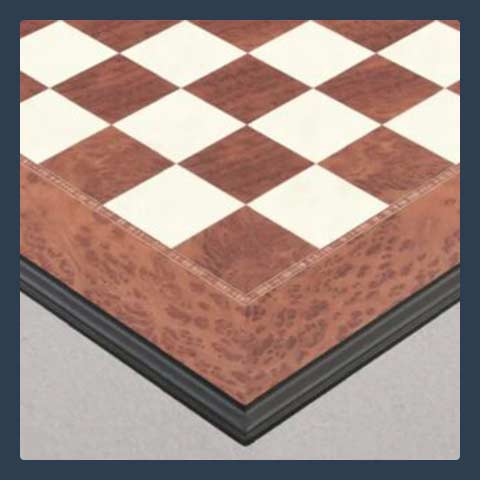
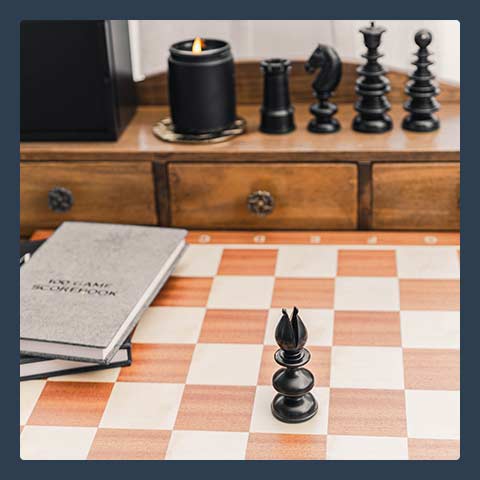
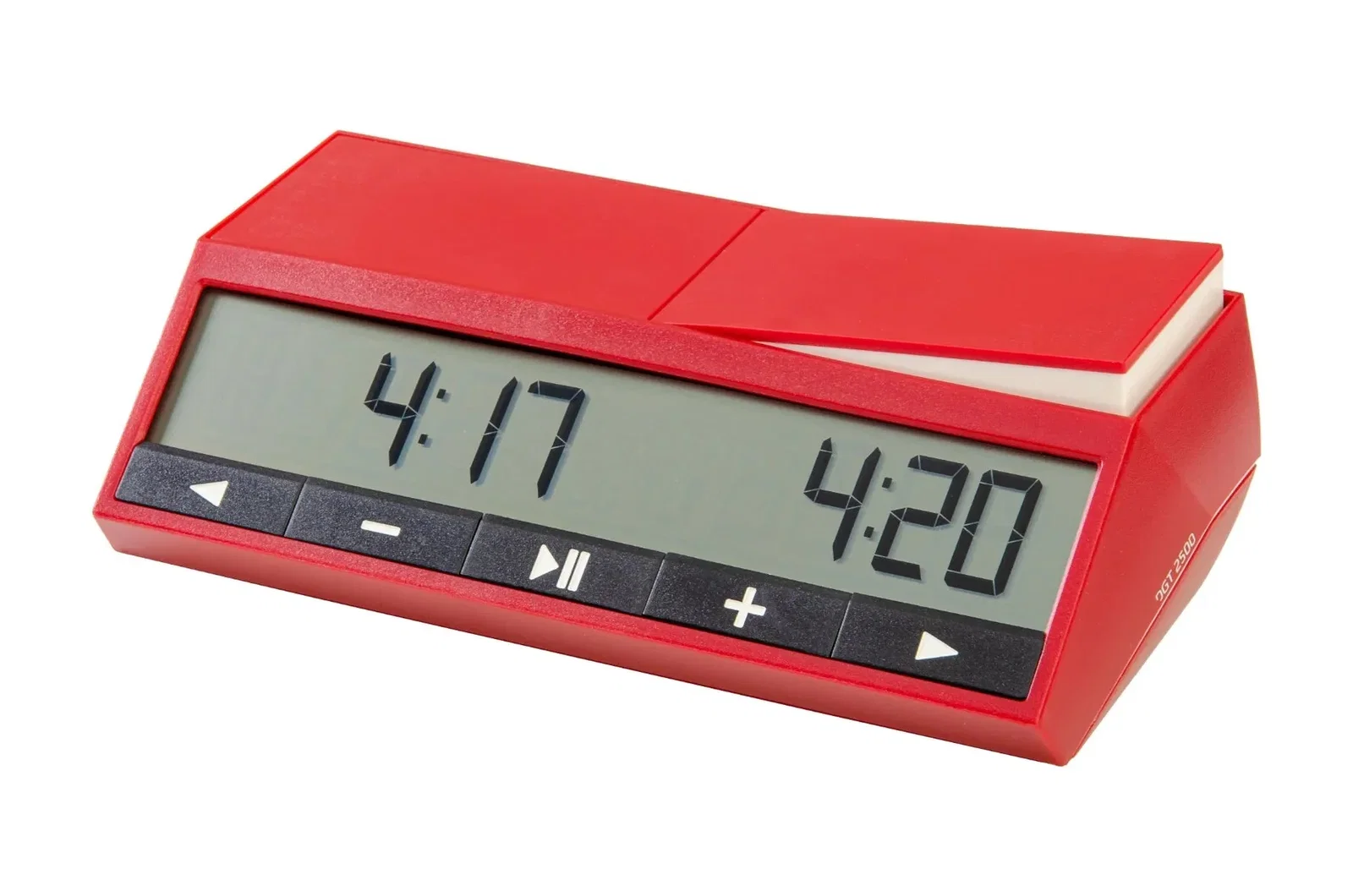
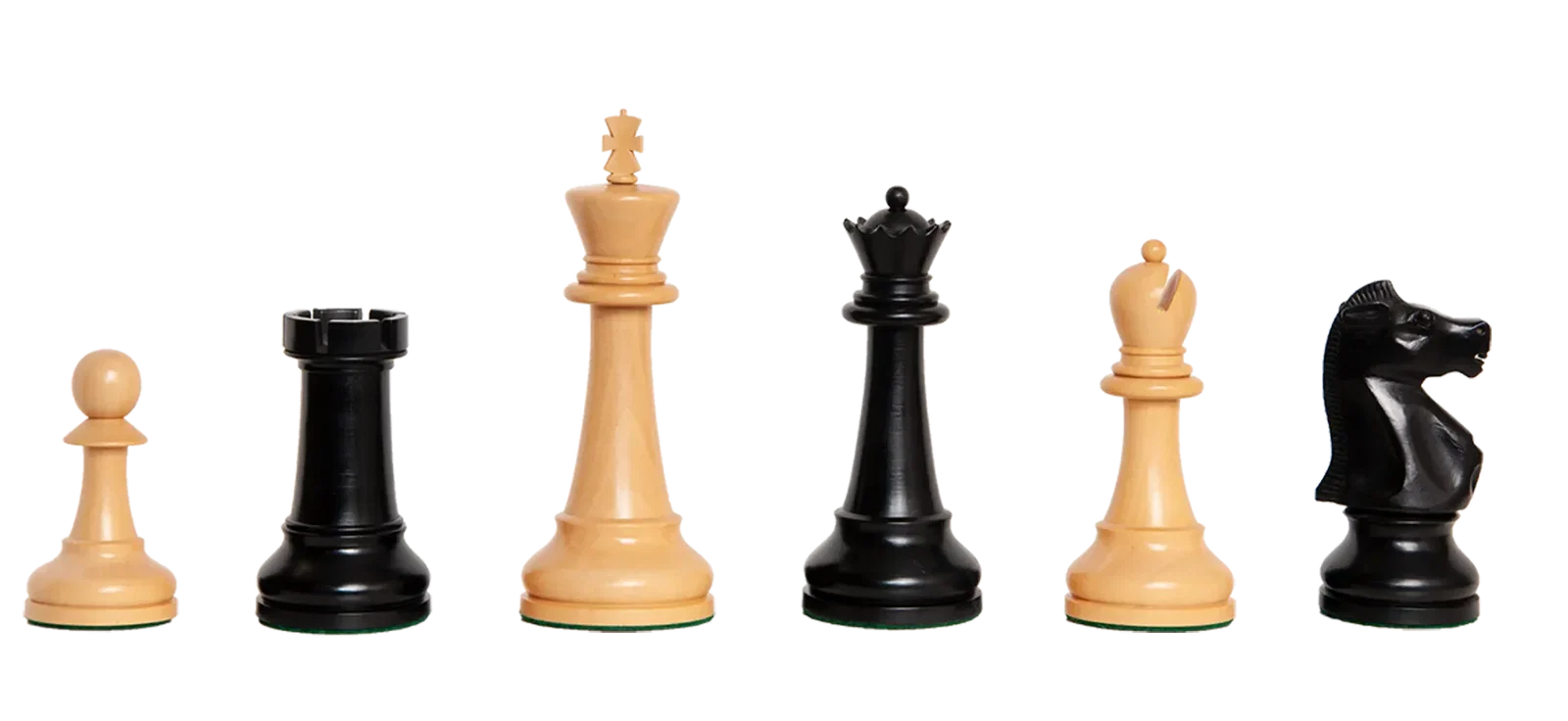
This week, US Chess Sales is happy to announce that it is extending its Father’s Day Sale for an additional week, giving you more time to save up to 30% on chess sets, boards, clocks, accessories, and other great gifts. If you haven’t taken advantage of the event yet, there’s still time to find excellent deals, enjoy fast shipping, and excellent customer support while stocks last.
20% discount on purchases under $100 | Use Coupon CELEBRATE20 25% discount on purchases between $100 and $200 | Use Coupon CELEBRATE25 30% discount for purchases over $200 | Use Coupon CELEBRATE30
Saving big this Father’s Day is effortless: shop as you normally would, enter the correct code at checkout, and the savings will apply.
This week US Chess Sales' first blog post, "Is A Custom Chessboard Worth It?", explores craftsmanship, materials, and personalization to help buyers weigh cost against long-term value. It outlines benefits, durability, unique aesthetics, and heirloom potential. It also looks at the downsides like price and maintenance, and offers buying tips.
US Chess Sales' second weekly blog post, "The Best Way To Fight The Catalan Opening," offers practical, move‑order advice and strategic plans to neutralize Catalan setups. It covers central counterplay, queenside pawn breaks, common tactical motifs, and recommended lines for club players. The post aims to help readers turn small advantages into bigger ones and avoid common traps.
Wishing you great games this week,
The US Chess Sales Team
|
|
Feature Story
GMS: Kasparov vs. Karpov, World Championship 1984, Game 6
|
|
The Kasparov vs. Karpov match in Moscow in 1984 is widely considered the most controversial world championship match in history. Almighty Karpov had reigned as world champion for the previous 9 years, yet the 21-year-old challenger Kasparov was tipped by many to become the youngest ever world champion.
The first player to win six games would win the title. A straightforward format, yet 46 games later, Karpov led five games to one—the rest of the games were drawn! Kasparov dug his heels in, exhausting his opponent and preventing him from crossing the finish line.
After 5 months of grueling play, Kasparov suddenly won two games in succession. Then, at 5-3, FIDE boss Florencio Campomanes called off the match. The official explanation was concern for the players’ health—although many, including Kasparov, have contested that!
Game Six – Kasparov Squanders His Chances
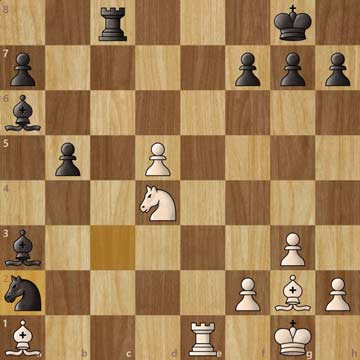
After five games, Karpov was leading the match 1-0. Game six was tightly contested, and Kasparov missed several chances to gain a winning lead. We join the game at move 27. Kasparov has a clear advantage but needs to find the right move. He didn’t. Can you?
|
|
Hint: Never underestimate the value of a passed pawn! |
|
Answer: Nf5! With the knight on f5, Kasparov could have threatened by pushing his passed pawn, then executing a knight fork on e7. Although Black can mitigate these threats, the combined pressure is too strong.
Instead, Kasparov played 27. Nc6, which failed to support the pawn push. This gave time for Karpov to activate his king and win the passed pawn on the 7th rank several moves later.
Karpov’s Textbook Endgame Play
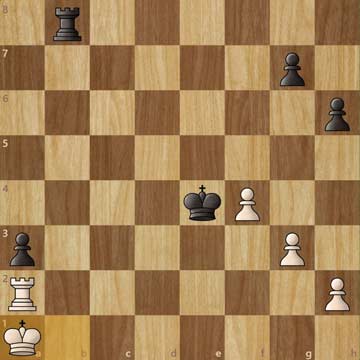
We join the game again on move 51. Kasparov has set up a classic defensive position, with his king tucked into the corner and his rook defending the base of the pawn chain. Karpov now only has one move to maintain his advantage. What is it?
|
|
Answer: 51...Rb2. Karpov sacrifices his precious passed pawn to begin dismantling Kasparov’s pawn chain on the other side of the board. This illustrates some classic endgame principles.
Firstly, a flank passed pawn can be extremely useful in diverting the enemy king into a passive position.
Secondly, active pieces are often more important than material. Because Karpov’s king is active in the center of the board, it can reach key squares faster than Kasparov’s passive king. Although equal in material, the active king gives Karpov a winning edge.
The Lucena Position
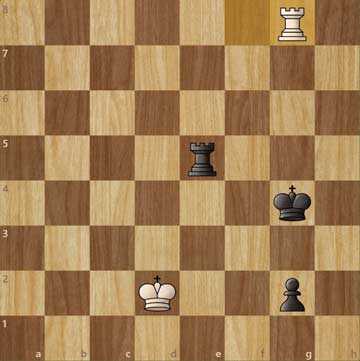
By move 79, Karpov is on the verge of promoting a pawn and winning the game. He has already skillfully driven Kasparov’s king away from the pawn. Kasparov continues to check with his rook. Now, how does Karpov seal the game?
|
|
Answer: 79...Rg5. This creates the well-known ‘Lucena Position.' Black builds a ‘bridge’ with the rook, shielding the king from further checks on the same file as the passed pawn. Kasparov needed no demonstration! He resigned to give Karpov his second victory of the match.
This Was Only the Beginning…
This was to be the first of five dramatic world championship clashes between Kasparov and Karpov—widely seen as the greatest rivalry in chess history. You can learn more about their fascinating world championship battles in the acclaimed chronicle The Longest Game by Jan Timman.
|
|
Is A Custom Chessboard Worth It?
|
|
A custom chessboard can be a laser-engraved club logo or a hand-carved walnut heirloom built to outlive you. The word "custom" covers a lot of ground. Here's how to figure out exactly which version makes sense for your game, your budget, and the chess story you actually want to tell. |
|
The Best Way To Fight The Catalan Opening
|
|
If you’re sick of playing against the Catalan Opening, join the club! Because this is one of the toughest chess openings to play with the black pieces, we’ve created a guide to help you spice it up, or avoid it altogether, and win more games. Including Richard Rapport’s ingenious, aggressive Stonewall variation. |
|
|
|
|