| |
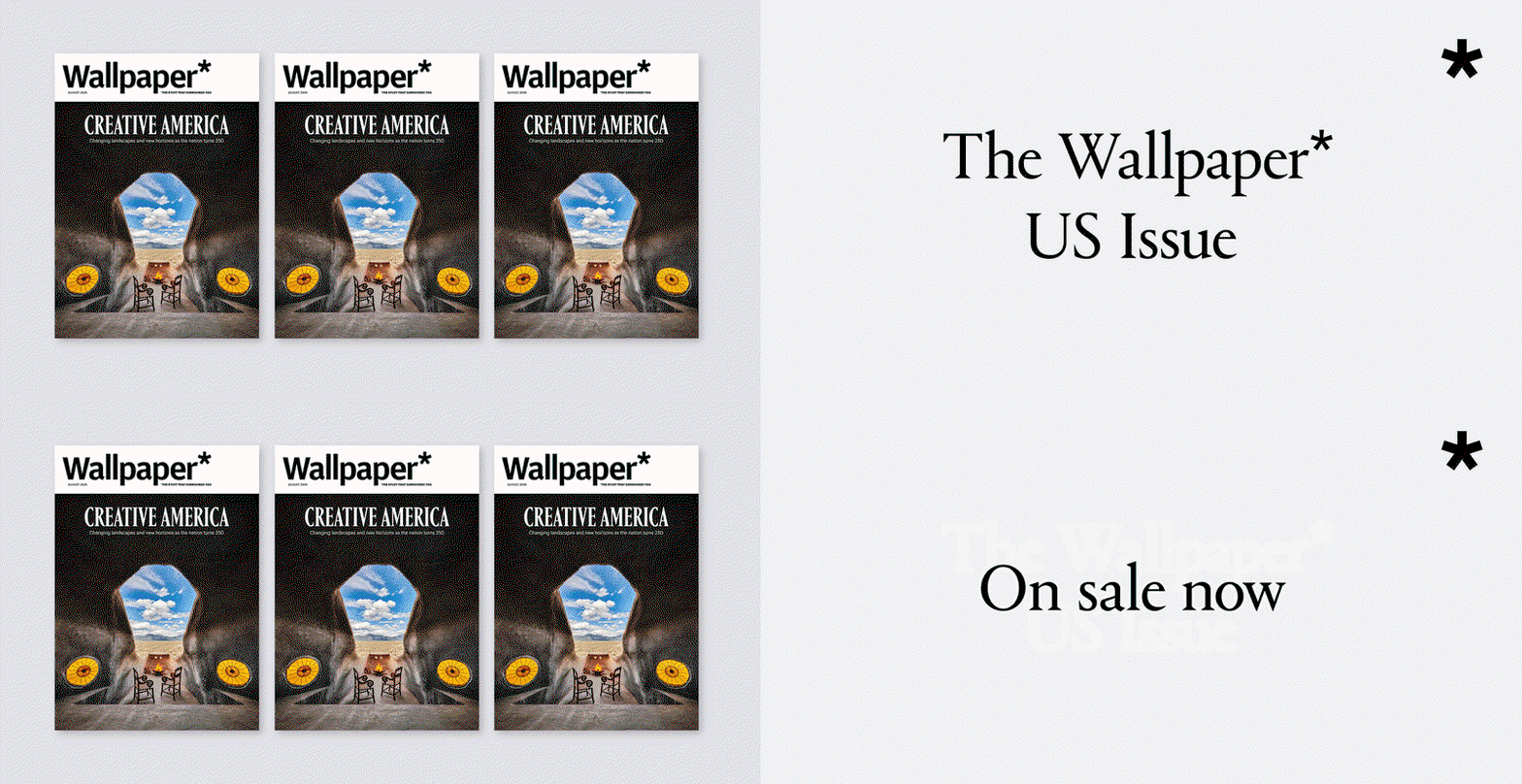
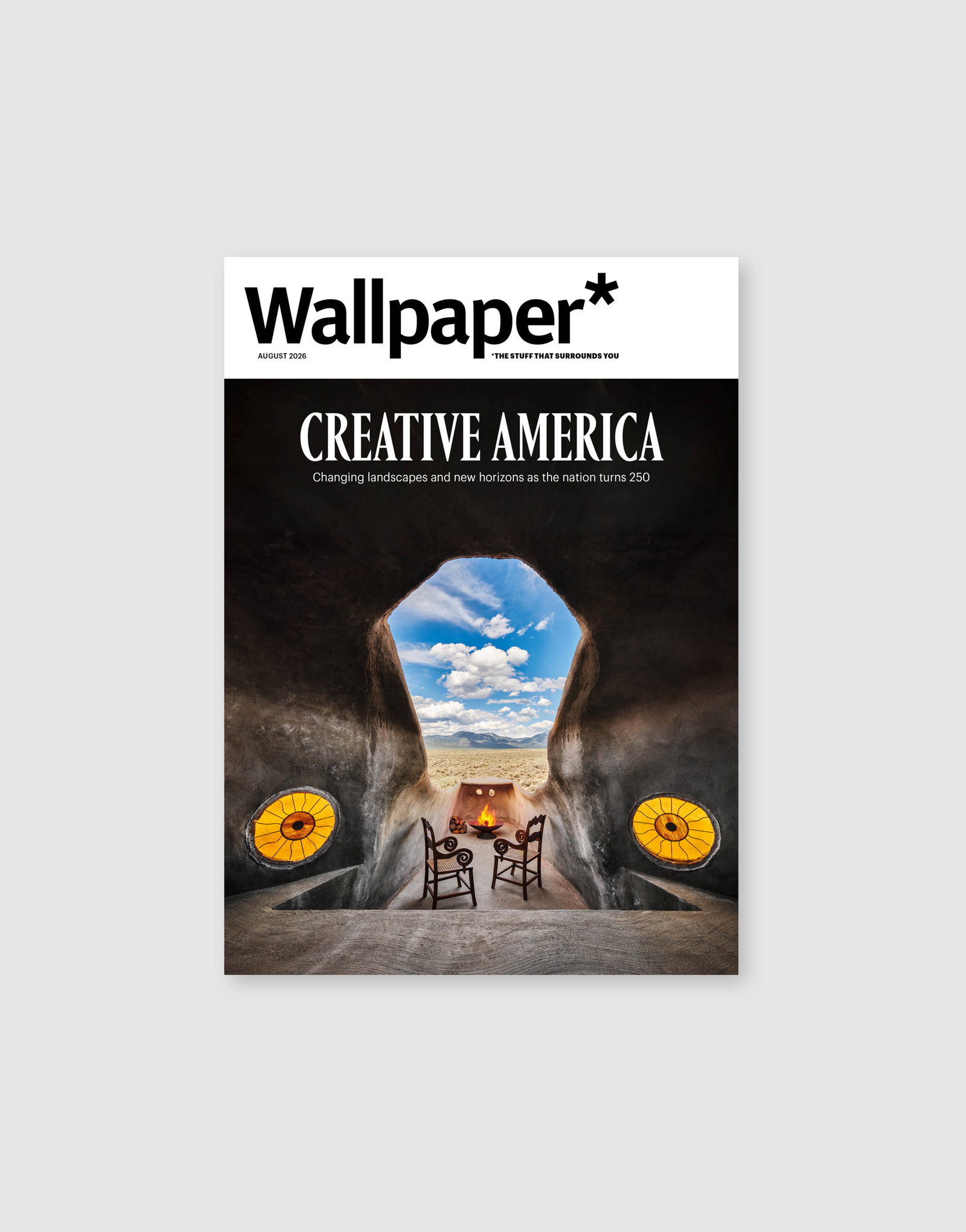
Bill Prince, editor-in-chiefIt’s Independence Day, the USA is turning 250, and we are marking the occasion with the launch of Wallpaper’s August issue, a celebration of Creative America, on newsstands now. We also reveal the latest instalment of the Wallpaper* US400, our roll call of creative talent in America today, from emerging design voices to established names in business, architecture, fashion and more.
|
 |
 |
|
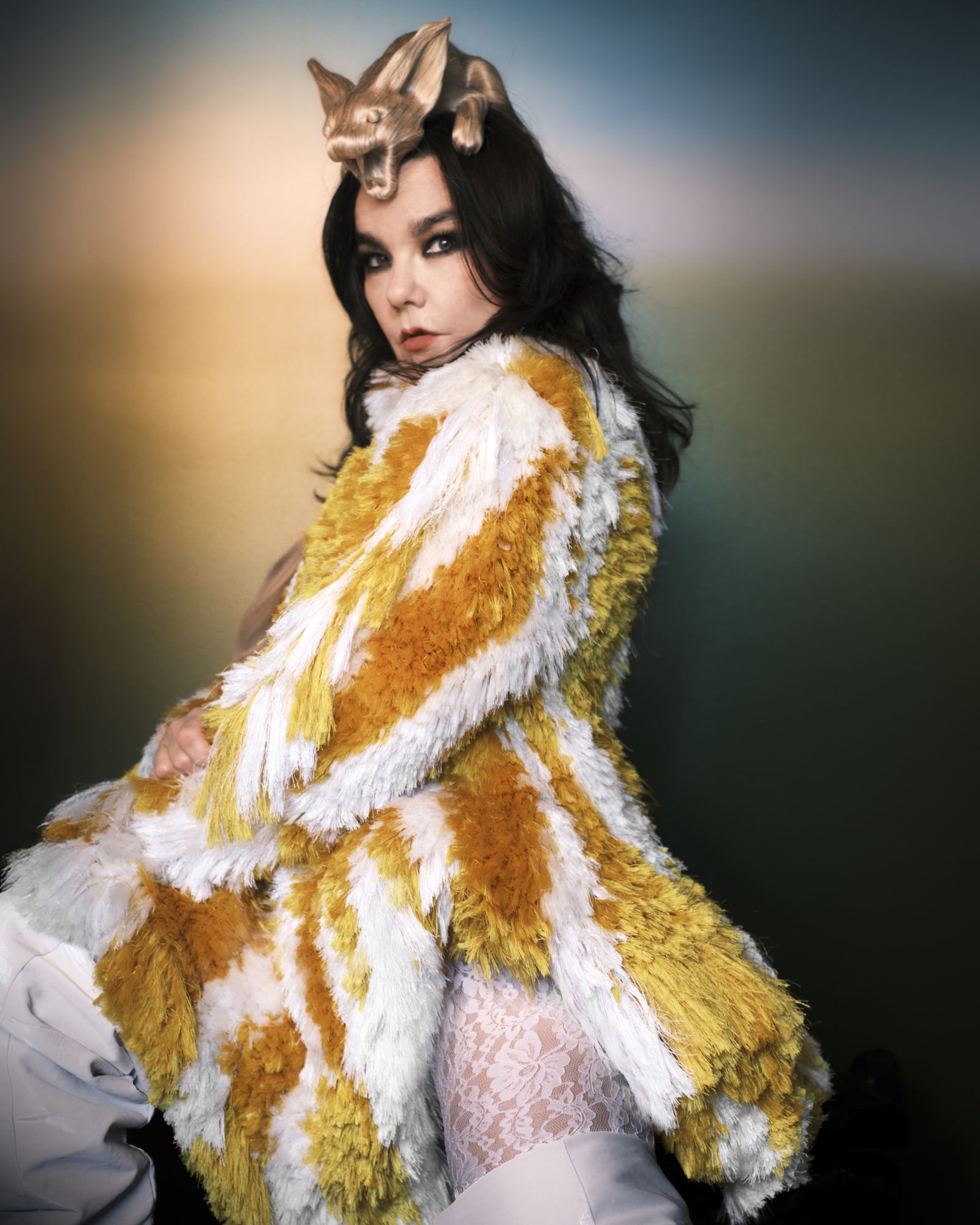
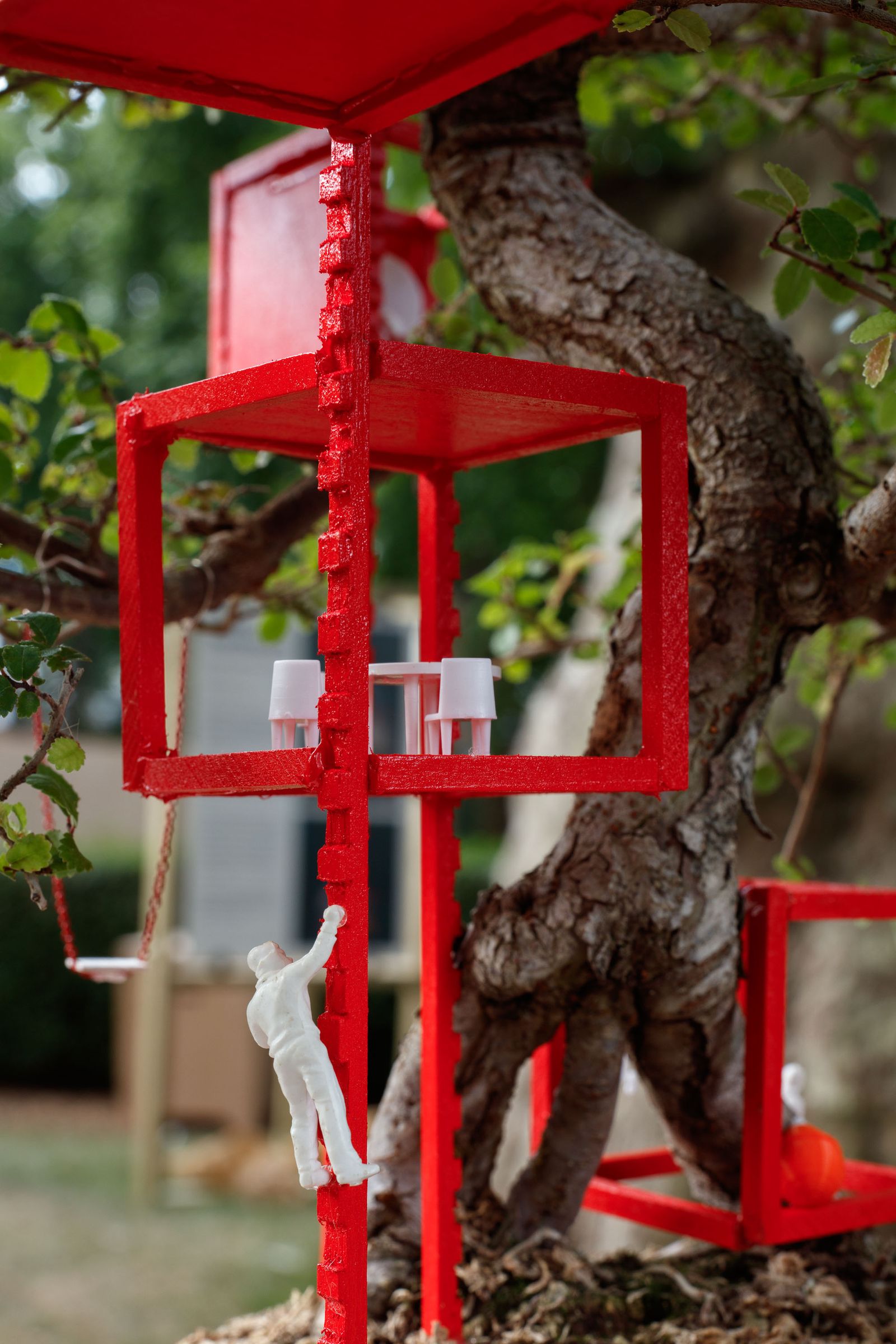
‘Evolved out of a desire to capture the special energy that defines America’s creative ecosystem, and now in its fourth year, it’s a list of 400 individuals and firms that we feel encapsulate what the American spirit of ingenuity is all about,’ explains US editor Anna Fixsen. ‘In 2026, that includes everyone from titans of industry to fledgling design practices; Blue Chip artists to indie gallerists. Essentially, the fascinating people that make up the Wallpaper* family.’ Meet many of them in the August issue, and get in the 4th of July mood with Weekendpaper’s highlights, below – a trip to the North Dakota Badlands, where the Snøhetta-designed Theodore Roosevelt Presidential Library opens this weekend, and a salute to possibly the world’s most appropriated logo. Plus, make time for our weekend shopping wish list, a summer of Björk, and architect-designed bonsai treehouses.
|
Meet the US400 – the people shaping Creative America in 2026 |
|
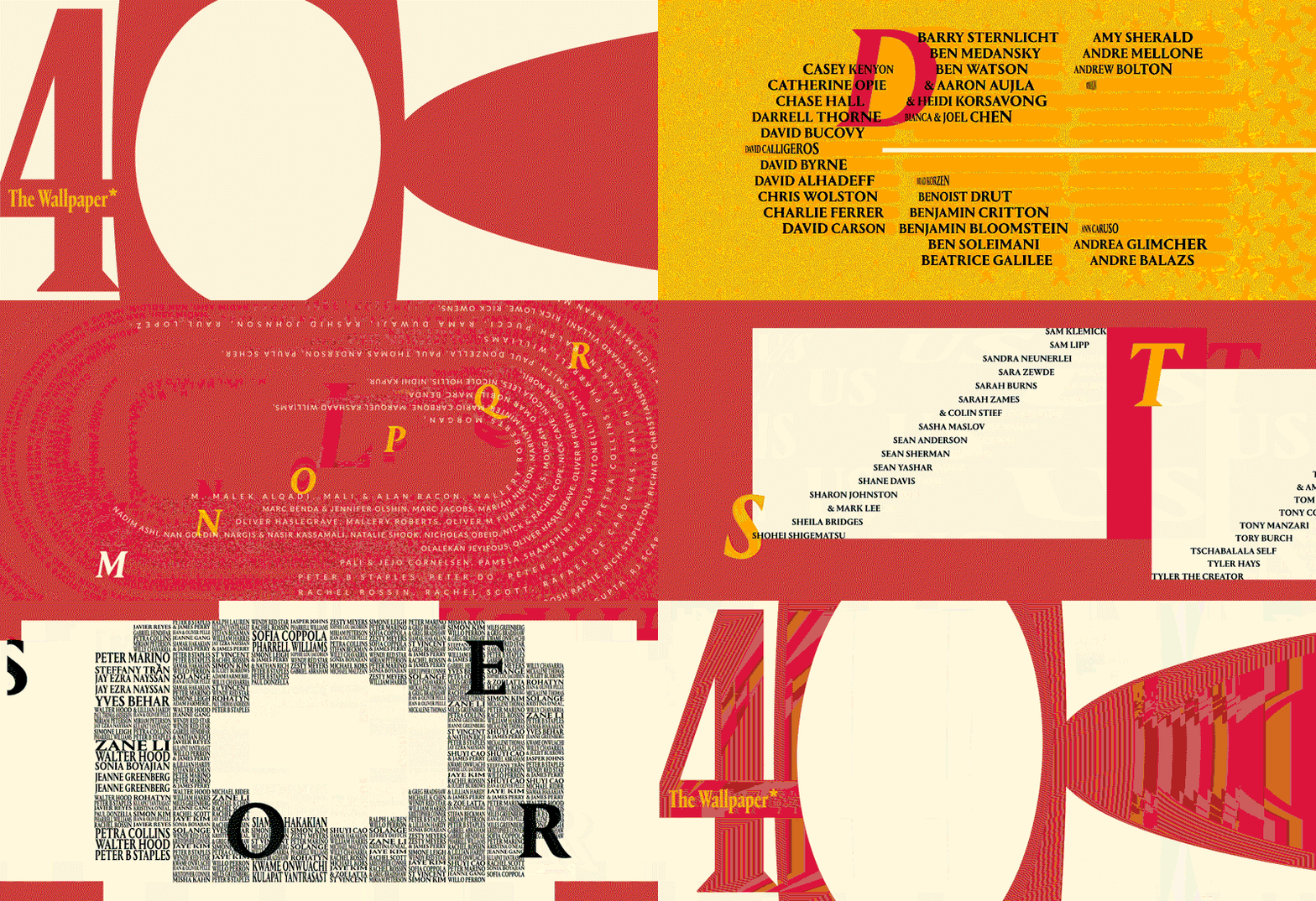
The Wallpaper* US400 celebrates Creative America in all its dazzling breadth and diversity. Our snapshot of those shaping the country’s creative landscape in 2026 spans community builders, tastemakers, business leaders and more. Why 400? Unlike other lists out there with 50 or 100 honourees (we won’t name names), we recognise 400 individuals and firms. Yes, 400 is a large number, but we firmly believe that a broader grouping – a sample size, for the statistically inclined – begins to better approximate the depth and breadth of creative output in the United States. We like to think of it like a snapshot at this moment in time, more than an ossified roster, one that will organically change year over year.
There is no formal application process to be on the list. But we do take a few things into consideration. Have we published your work? Have you done something newsworthy? What kind of impact have you made in your field? Have you inspired us? Simply put: the list is made of the interesting people we’d want to invite to one massive dinner party. Here they are…
|
|
The new Theodore Roosevelt Presidential Library is ‘a call to adventure’ |
|
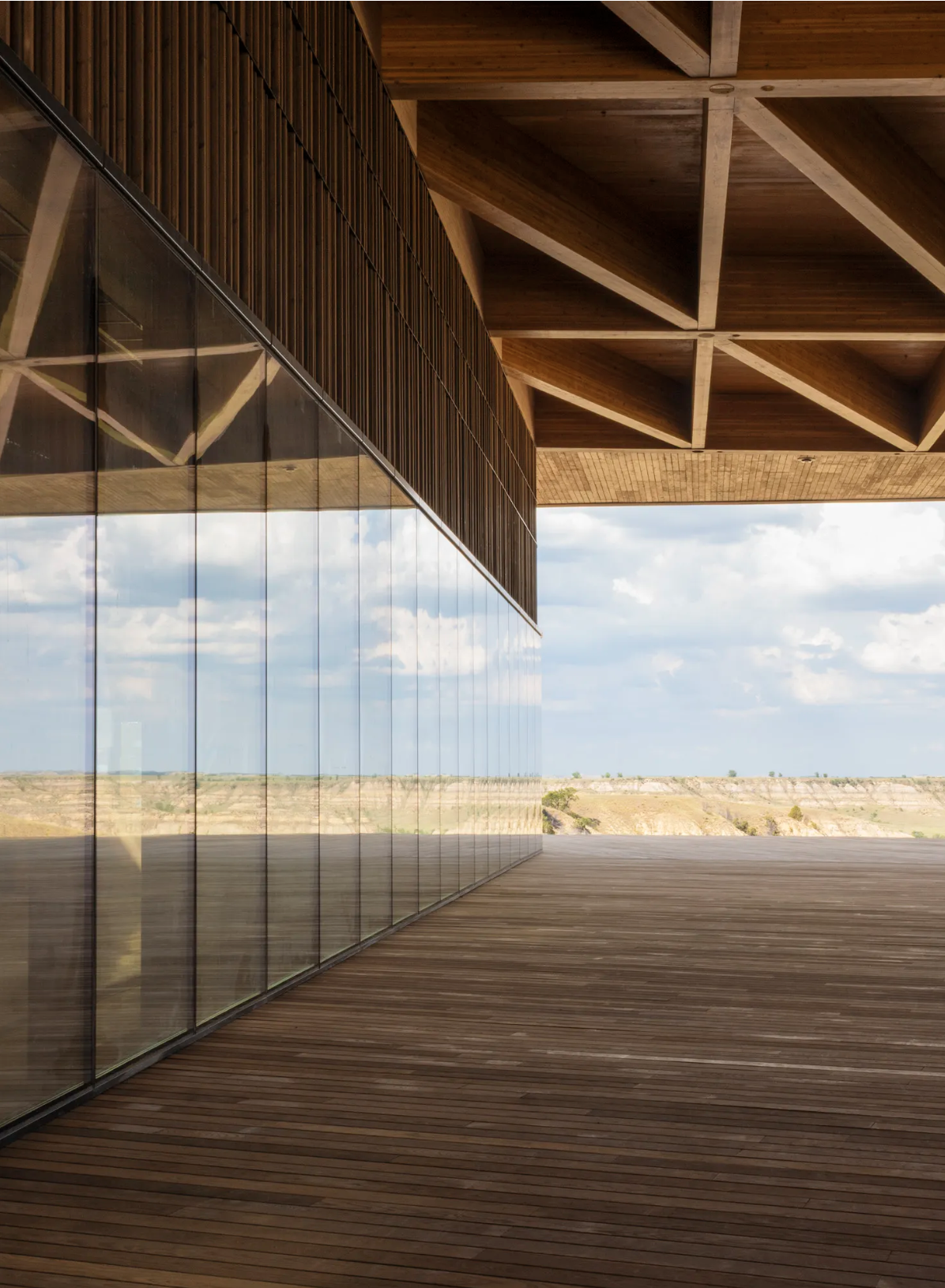
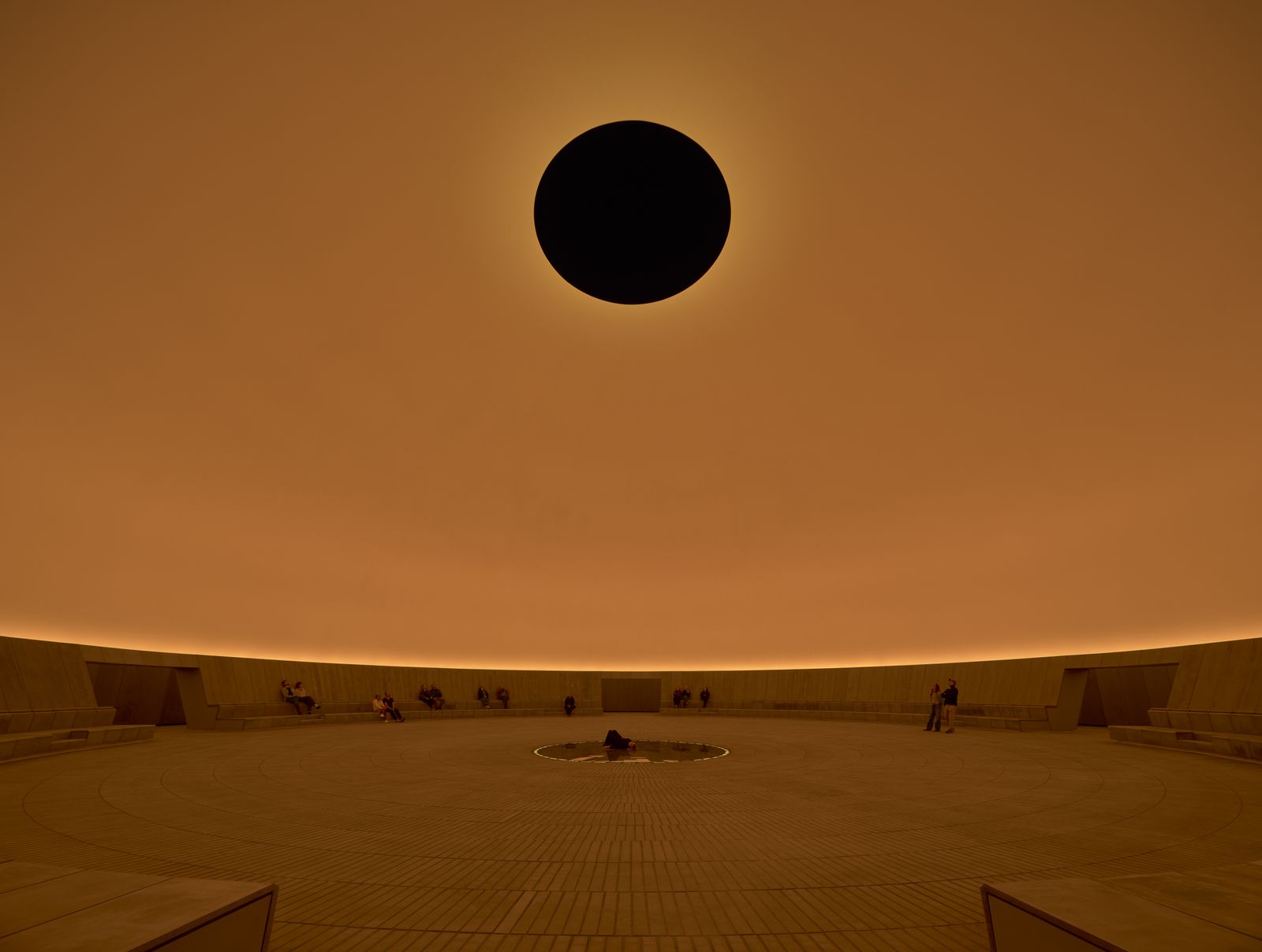
Theodore Roosevelt is largely remembered for his heroic command at the Battle of San Juan Hill, for doubling the national park system and for surviving an attempt on his life thanks to a serendipitously positioned eyeglasses case. But when Roosevelt arrived in the North Dakota Badlands in June 1884, he was a broken man; both his mother and his wife had died within hours of each other just months before. The wild frontier offered a place where the 25-year-old could grieve. ‘Nothing could be more lonely and nothing more beautiful,' he recounted of moonlight striking the sawtoothed expanse. Roosevelt eventually remarried and, in 1901, became America’s 26th president, an achievement he credited to his time in North Dakota.
More than a century later, Roosevelt is back in the Badlands in the form of a $400m Snøhetta-designed library and museum, which is being inaugurated on Independence Day for America's 250th birthday. With its low-slung profile and grassy roof, the building appears as but a murmur on the prairie. ‘You could easily have argued that the library should have been some grand, bold representational architecture that stood in violent contrast with the landscape – but that's not what we wanted,' says the new library's CEO Edward O'Keefe, a North Dakota native. Discover the full story with Anna Fixsen.
|
|
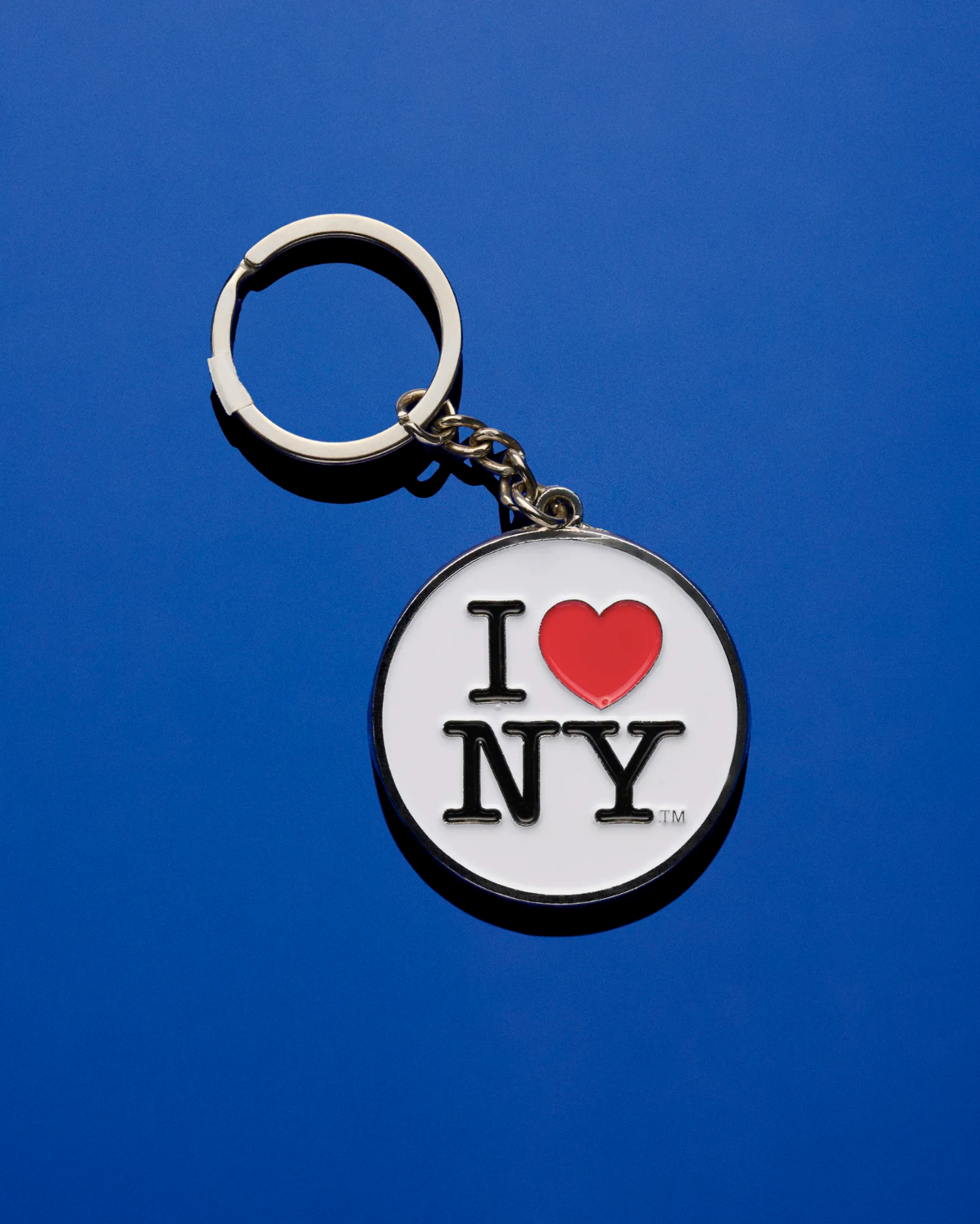
Anatomy of a logo: Milton Glaser’s I ❤️ NY |
|
By its sheer ubiquity, I ❤️ NY may be the world's most appropriated logo. Some 50 years after it was first introduced, New York state's official brandmark has become an all-purpose shorthand for allegiance and affection for anything, anywhere.
Curiously, I ❤️ NY was born during a time when there was little to love about New York City. Designed by Milton Glaser in the mid-1970s, the logo originally served as the graphic punchline to an advertising campaign that helped rescue the city from the brink of bankruptcy. Desperate to arrest its ballooning fiscal deficit, city officials funded a campaign that could lure tourists back to the Big Apple. Wells, Rich, Greene, helmed by the trailblazing ad executive Mary Wells Lawrence, produced it; songwriter Steve Karmen wrote an earworm of a jingle, and Glaser was asked to create a logo.
His first submission was accepted. Then, a few days later, he had another thought entirely, as he doodled during a cab ride home… Glaser expert Anne Quito explores the genesis and enduring legacy of a legendary logo that almost wasn’t.
|
|
|
|
|