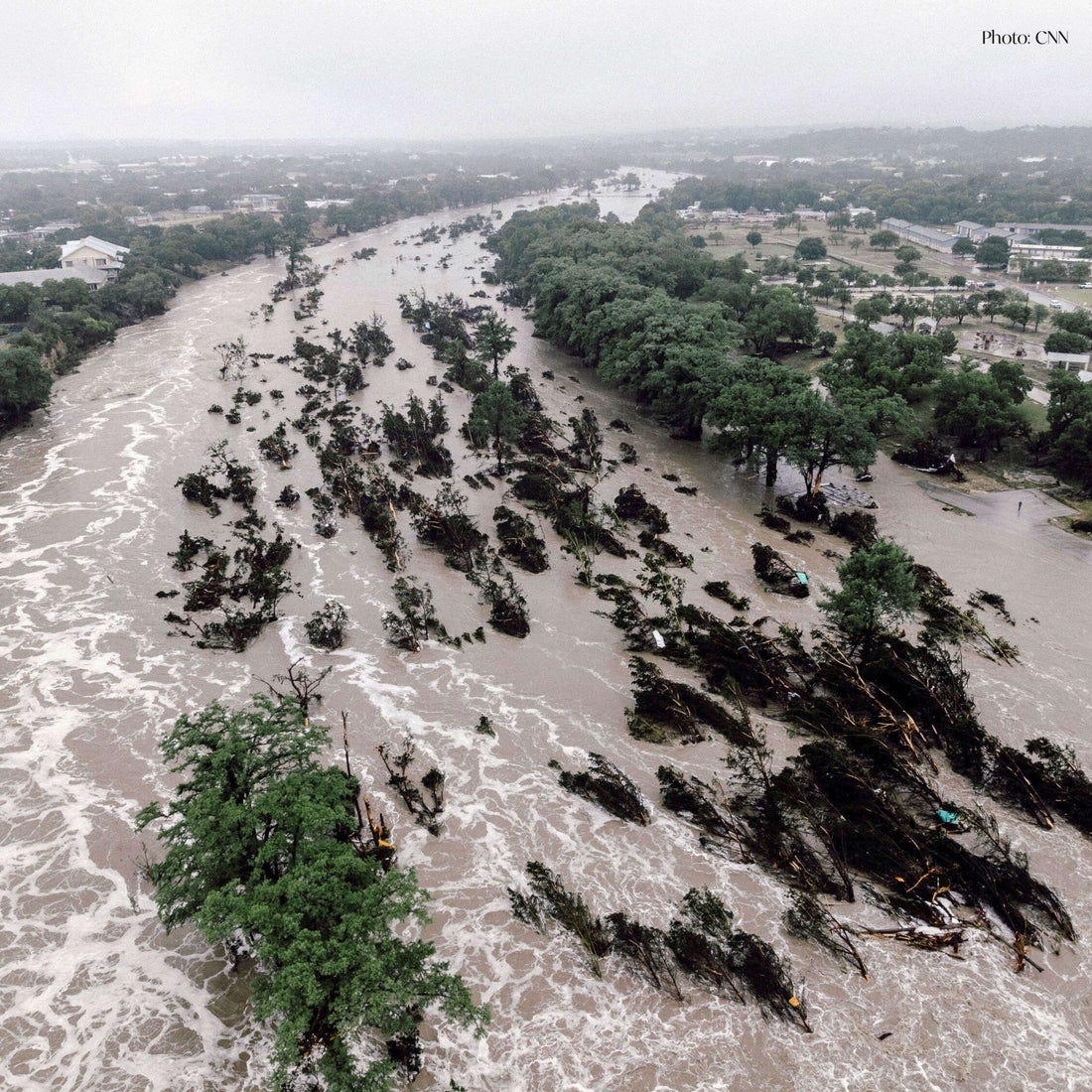
How the 2025 Camp Mystic Flooding Impacted Water Quality in the Texas Hill Country
The 2025 Camp Mystic flooding was a devastating loss of life. As the weeks went on, the environmental aftermath also began to unfold, as the floodwaters raised urgent concerns about water safety.

Is this your brand on Milled? Claim it.

How the 2025 Camp Mystic Flooding Impacted Water Quality in the Texas Hill CountryThe 2025 Camp Mystic flooding was a devastating loss of life. As the weeks went on, the environmental aftermath also began to unfold, as the floodwaters raised urgent concerns about water safety.
What Happened During the 2025 Camp Mystic FloodingIn 2025, Camp Mystic and the surrounding areas in Hunt, TX, were hit by a historic and devastating flash flood. The extreme rainfall caused the Guadalupe River to rise by more than 26 feet in just 45 minutes in the early hours of July 4. The region had previously been in a drought, and months of hot, dry weather hardened the soil surface. The crust-like layer reduced drainage capacity. The stressed vegetation and patchy ground cover did little to slow or absorb the rainfall. Because Camp Mystic and other nearby summer camps were so close to the river, much of the property was in low-lying areas near designated flood hazard zones. Floodwaters moved quickly through the campgrounds, leaving little time for evacuation. The extent of the damage was disastrous. Lives were lost, homes and buildings were destroyed, riverbanks were eroded, and the community will never be the same. Flooding Immediately Affects Water QualityIn the immediate aftermath of a major flood like the one that devastated Camp Mystic, water quality can change dramatically within hours. As floodwaters rush through riverbanks, roads, buildings, and surrounding land, they pick up sediment, debris, bacteria, chemicals, and organic waste, carrying those contaminants into nearby rivers, streams, and water systems. What may look like muddy water on the surface often signals a much larger issue that can affect drinking water safety, aquatic ecosystems, and public health long after the floodwaters recede. Sediment Overload and Turbidity SpikesMajor flooding can cause significant erosion and debris movement throughout the area.
Bacteria and Pathogen ContaminationFlood-related concerns about waterborne bacteria are possible in affected areas after the event.
Chemical Contamination From Damaged StructuresThe destruction of homes and riverside infrastructure increases the likelihood of structural and chemical runoff entering the water system.
Water contamination may travel downstream, affecting a larger area. Organic Waste and DecompositionThe flood aftermath can result in extensive debris fields and riverbank damage along the river and downstream areas.
Major Flooding Can Impact Drinking Water Systems NearbyFlooding can create serious concerns for nearby drinking water systems. As floodwaters move through communities, they often carry sediment, bacteria, chemicals, and debris that can enter multiple water sources. Even areas that weren’t directly affected by flooding can experience long-term contamination from floodwater. The Texas Commission on Environmental Quality created a resource to help you determine if your drinking water is safe and what to do if you suspect contamination. Municipal Water Treatment ChallengesAfter a major flood, municipal water treatment facilities often face a sharp increase in sediment, debris, and potential contaminants entering the water supply. Higher turbidity levels can make filtration more difficult, requiring additional treatment steps and closer monitoring to ensure the water remains safe for residents. This takes time, so sometimes communities will issue boil-water notices because high temperatures kill bacteria, viruses, and parasites. This provides a temporary solution while systems are tested and treatment processes are adjusted. Private Wells and Rural Water SourcesPrivate wells and rural water systems can be especially vulnerable after flooding, as contaminated surface water may seep into shallow groundwater sources. This can introduce pollutants that aren’t always visible. Homeowners and rural property owners are advised to test well water and disinfect systems before resuming regular drinking and household use. What Authorities and Environmental Agencies Monitor After FloodingAfter a flood as devastating as the one at Camp Mystic, the recovery effort extends far beyond rebuilding damaged structures and grieving unimaginable loss. Local officials, environmental agencies, and public health departments also begin closely monitoring the area’s water systems to prevent secondary health risks. From bacteria levels in the Guadalupe River to the safety of nearby drinking water supplies, this post-flood testing plays a critical role in understanding how contamination may have spread and in determining the steps needed to restore water quality safely. Water Testing Protocols After Major FloodsFollowing a major flood, environmental and public health agencies begin immediate water testing to assess contamination levels and determine whether local water sources are safe for use. Water is tested for:
Residents are advised on correct water use based on the findings. Public Health AdvisoriesPublic health advisories are often issued after flooding to inform residents about potential risks of contact with contaminated floodwaters.
In the weeks and months after a flood, authorities continue monitoring water quality to identify any long-term risks to the surrounding area. How Chlorine Is Used to Treat WaterOne of the most important tools used in municipal water treatment is chlorine. Chlorine is added in carefully controlled amounts to disinfect water by killing harmful bacteria, viruses, and other microorganisms that may have entered the supply during or after flood events. This process is highly effective and widely used to make public drinking water safe. While chlorine levels are carefully regulated, some individuals choose to reduce residual chlorine in their home water for reasons related to taste, odor, or personal preference. At home, chlorine can be filtered out using filtration systems to trap chlorine molecules as water passes through. It’s important to note that home filtration should be used as a complement to municipal treatment, especially after flooding events where official boil water advisories and safety guidance should always take priority. How Long Does Water Quality Take to Recover After a Major Flood?The timeline for water quality recovery after a major flood can vary widely depending on the severity of the flooding, the type of contaminants introduced, and the local water system.
Research on river ecosystem recovery has shown that some waterways begin regaining normal biological function in about one to two weeks, while more significant ecological recovery can continue for months, depending on erosion and habitat damage. For drinking water systems, recovery takes much longer. Municipal systems need time to restore filtration capacity, repair damaged infrastructure, and complete repeated testing. Private wells recover the slowest. The introduction of bacteria into groundwater sources requires testing, disinfection, and retesting before the water is considered safe for use. While the water may appear clearer within days, full water-quality recovery can take weeks to months, and long-term environmental restoration can continue well beyond that. Environmental Recovery After the Camp Mystic FloodingWhile the human toll of the Camp Mystic flooding remains at the center of this tragedy, its impact on local water quality is an important part of the long-term recovery story. Flooding of this scale can leave lasting concerns for local water systems and the health of the Guadalupe River. As the region continues to heal from such a devastating loss, learning how floodwaters affect drinking water is one way communities can work to better protect residents and reduce future risk. FAQs About Camp Mystic Flooding and Water QualityIs it safe to swim in river water after flooding?It is generally not safe to swim in river water immediately after a flood. Floodwaters often carry high levels of bacteria, sewage overflow, debris, and chemicals that can pose serious health risks, even if the water looks clear. It’s recommended to wait to swim until local authorities issue safety advisories confirming that bacteria levels and contamination have returned to safe ranges. Can floodwater permanently damage local ecosystems?Floodwater does not always cause permanent damage, but it can significantly alter local ecosystems. Heavy flooding can erode riverbanks, destroy habitats, introduce pollutants, and disrupt fish and plant populations. While many ecosystems are resilient and gradually recover, severe events may lead to long-term changes in habitat structure and water quality conditions. How can you tell if water is unsafe after a flood?Water may be unsafe if it appears cloudy or has an unusual odor. If local officials issue boil-water notices or contamination warnings for the area, assume the water is unsafe. Wait for officials to do proper testing and release a statement before resuming normal water use. What should homeowners do after floodwater enters their property?Homeowners should avoid using contaminated water, disinfect affected areas if safe to do so, and have wells, plumbing, and water systems professionally tested before use. Thanks for reading Clean Water Report! Subscribe for free to receive new posts and support our work.
|