The cookbook author and the 10 year old explore the differences between haddock & cod...
Leigh: It should be said that Quincy will devour almost any fish he’s offered — with gusto. So when he saw the cod and haddock side by side, I had to move fast to get him to take note that these were two different species before they were gobbled up.
COD
Quincy: (between bites) VERY GOOD. Tastes good, tastes fresh.
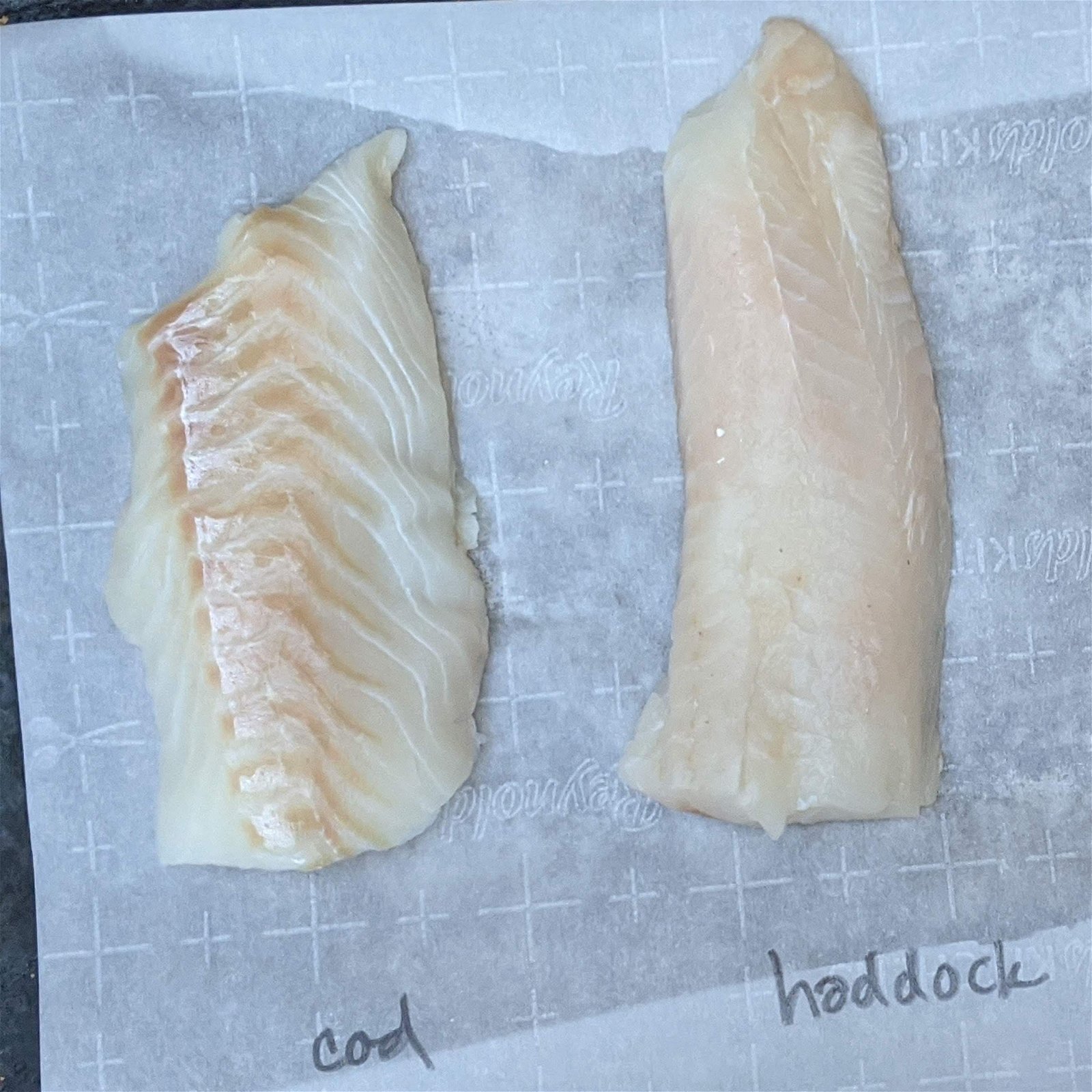
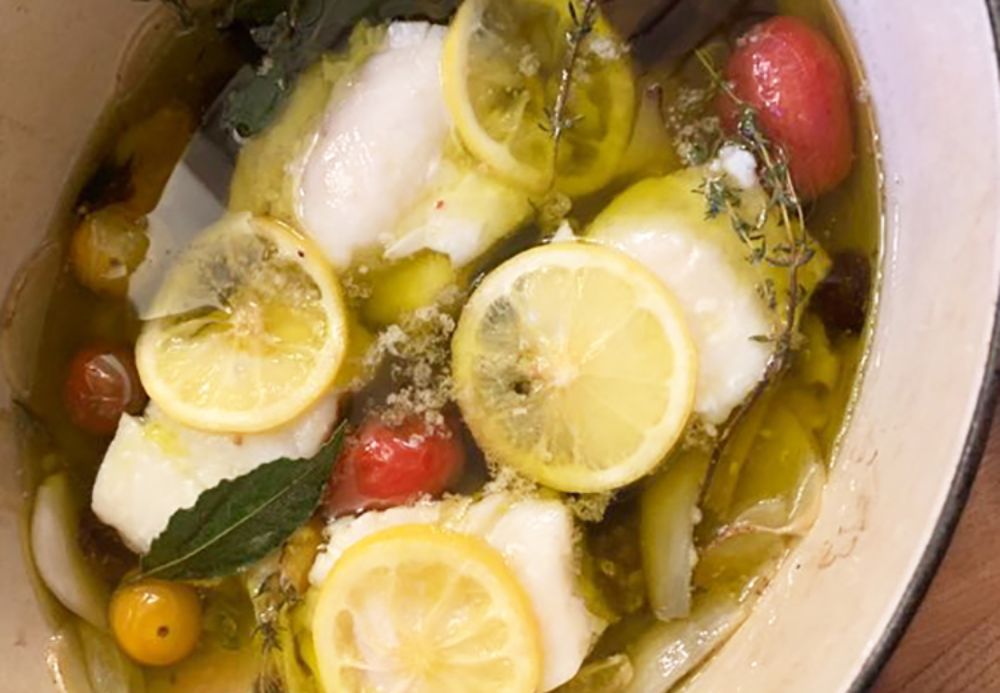
L: Cod has a denser flake than haddock — you can see it easily when the filets are raw. The texture is firm and muscular. Tastes slightly sweet and saline. I love to make quick fish stews this time of year — and cod is lovely in these because the chunks will stay together in the finished dish rather than flaking apart.
HADDOCK
Q: It’s REALLY GOOD.
L: What makes it so good?
Q: I dunno, it’s just, it’s — is there any left? This one’s my favorite.
L: The haddock has a slightly more delicate texture and a finer flake. While both fish taste similar — sweet and saline — haddock’s flavor and texture are lighter in your mouth.
If I were cooking a fish soup or stew, I might add the haddock in large pieces — even entire filets — at the end to maintain that lovely texture. Once it breaks down into a liquid, it can get a little lost, especially if the stew has other big competing flavors.
Either way, these are both staple seafood species in New England and can be used in a variety of different dishes, from brothy chowders to saffron-laced stews, or just simply rubbed with garlicky buttered breadcrumbs and baked. And clearly — they can be very kid-friendly.
|