
大同電鍋: Taiwan and its Steam Cooker
announcing a special collaboration with Tatung Company of Taiwan

Is this your brand on Milled? Claim it.

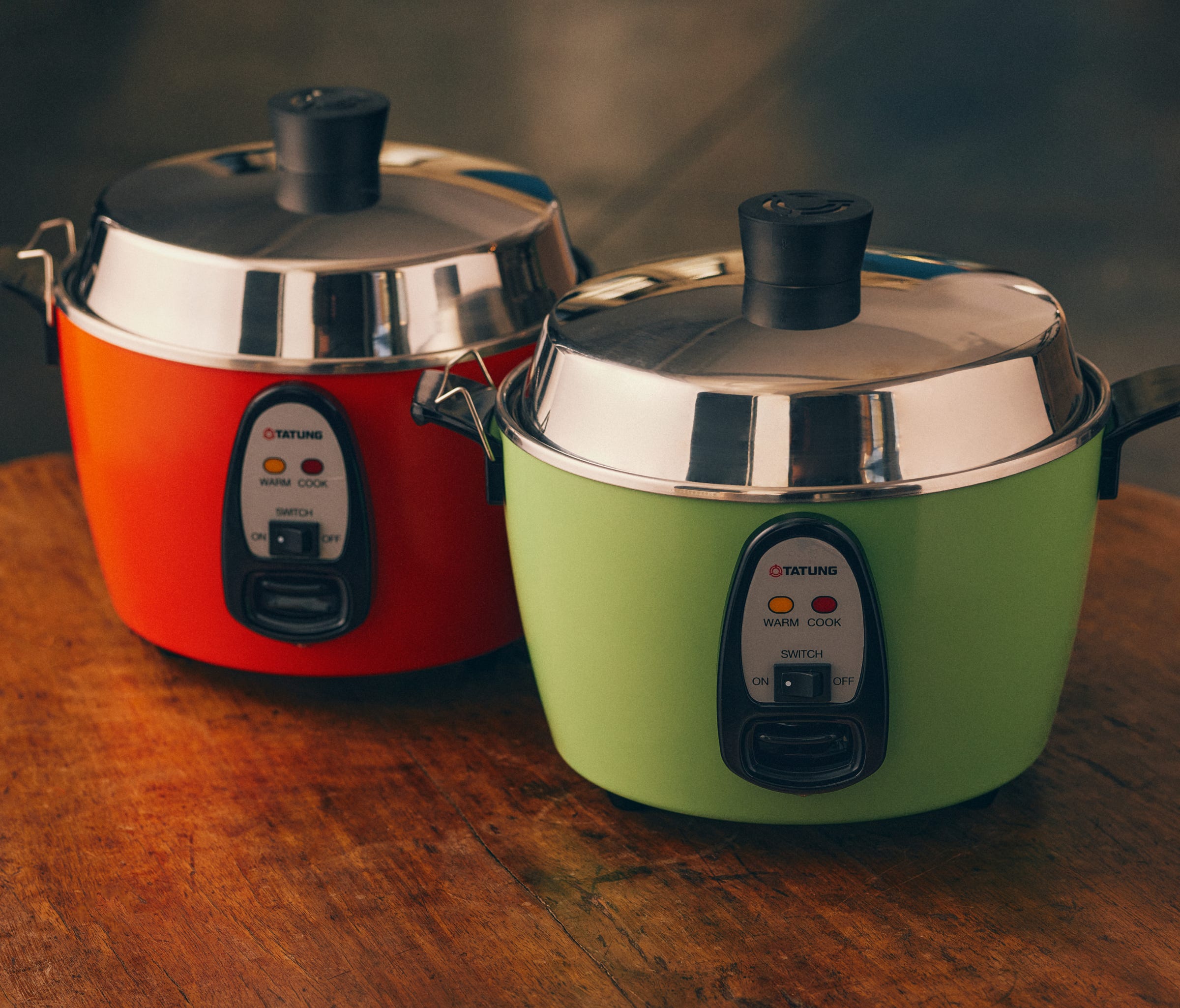
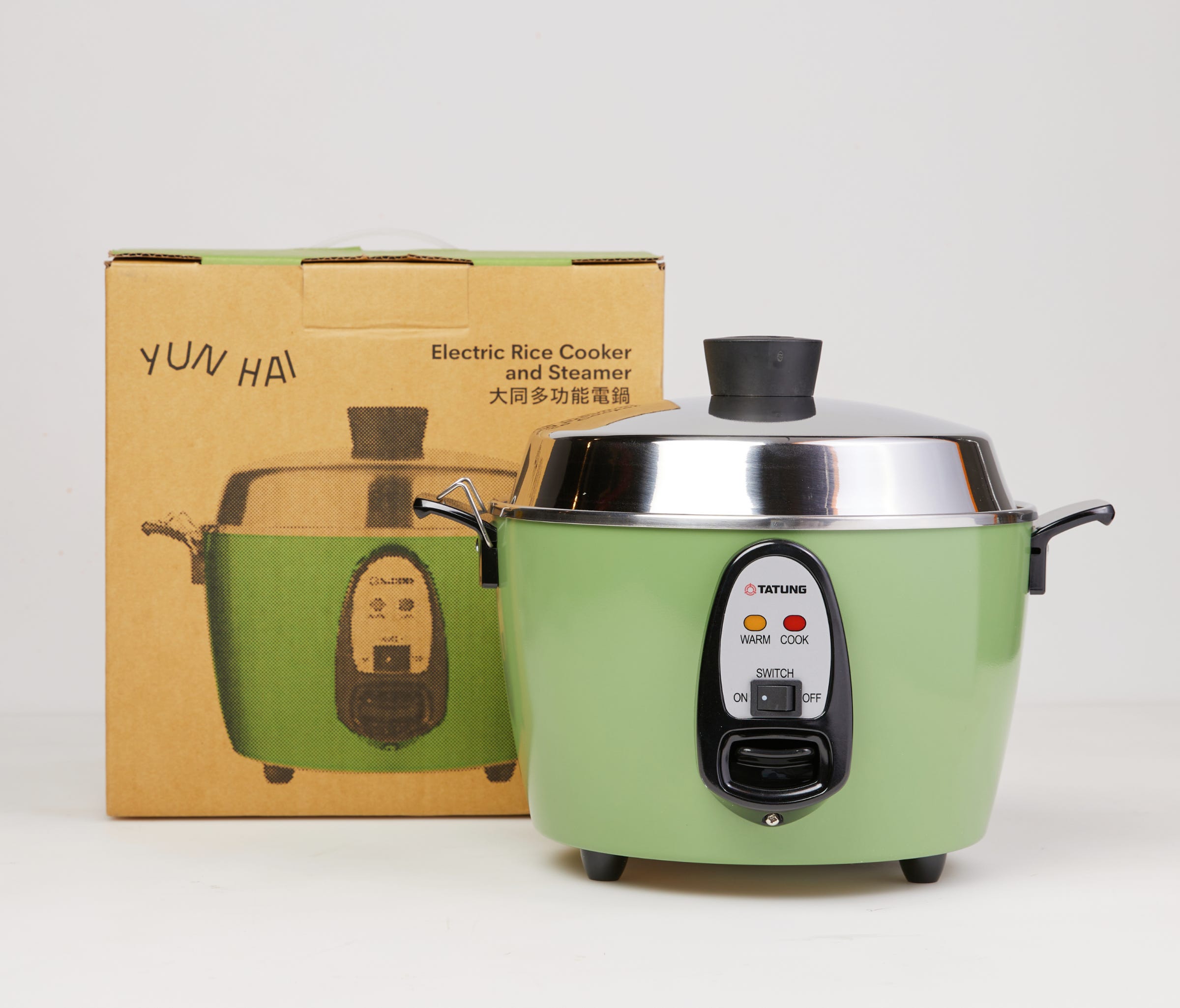
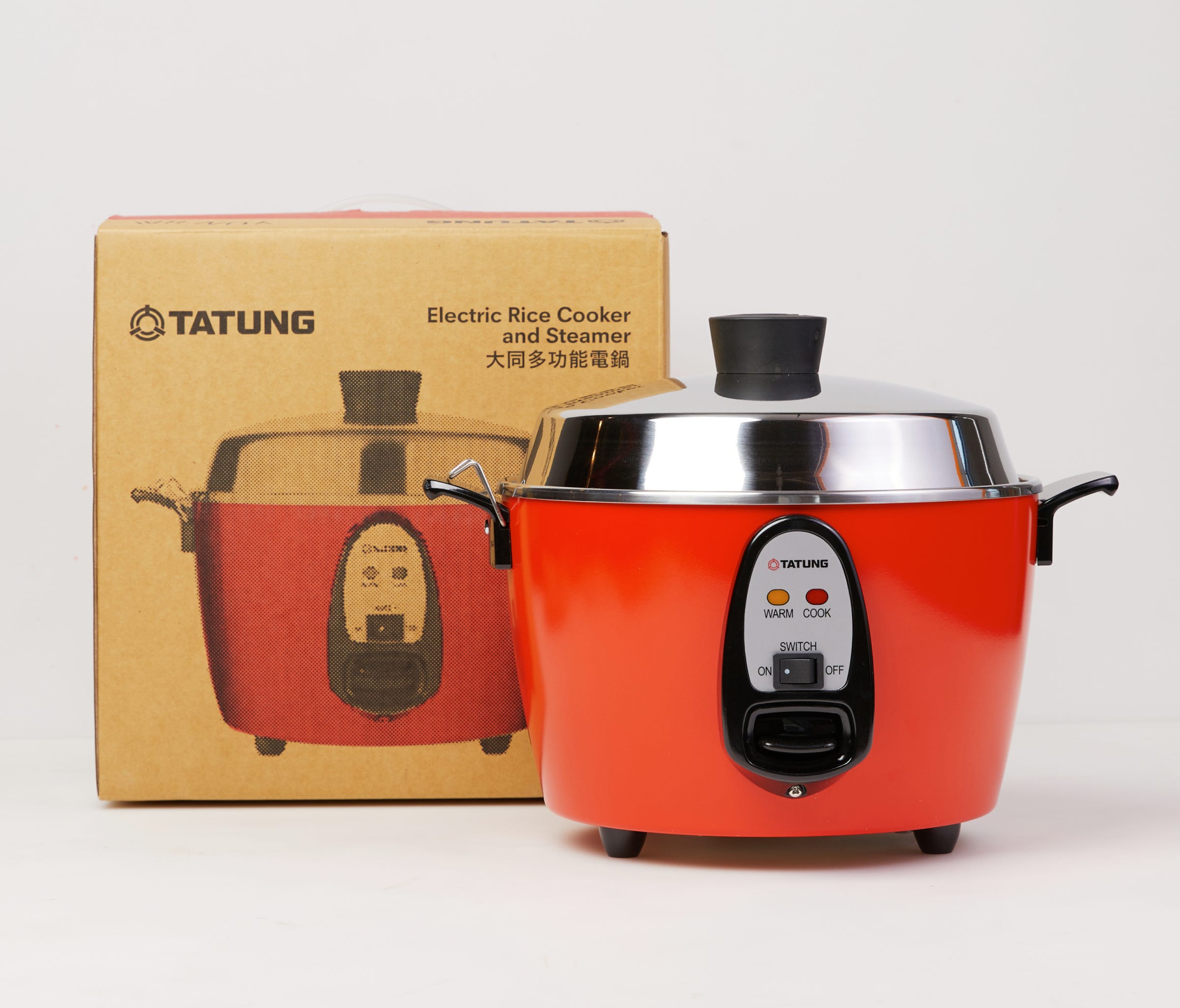
This is Yun Hai Taiwan Stories, a newsletter about Taiwanese food and culture by Lisa Cheng Smith 鄭衍莉, founder of Yun Hai. If you aren’t yet a subscriber, sign up here. This month, I’m excited to share our most anticipated launch to date. We’re releasing the Tatung Electric Rice Cooker and Steamer in the original red and green colors, a Taiwanese design and lifestyle icon. Once hand carried over in droves from Taiwan, these steamers have defined Taiwanese households for generations. These original colors were previously unavailable in the US, but now, they’re exclusively available through Yun Hai, with a custom box, to boot. Newsletter subscribers are hearing about it first, we’ll launch publicly later this weekend. Read on, or head directly to our site to snap one up. In my late twenties, I converted a cold storage warehouse in Chicago bit by bit into a residence, occupying it before I installed any creature comforts. For a kitchen, I put a few Ikea butcher blocks onto framed up 2x4s and installed a shop sink. We didn’t have a stove at first, and I told my partner that it would be no problem; that I’d “cook everything with water.” He laughed, good-naturedly, but I realized then that ohhhhh he’s not the steaming type. I had grown up with a 大同電鍋, a Tatung Electric Steamer, and, like most raised in a Taiwanese household, I knew how versatile water vapor could be in the hands of a home cook. Dumplings, breads, baozi, lustrous meats, tender fish, rich stews, silken eggplant, crunchy Chinese broccoli, and chewy, each-grain-distinct sticky rice. Well, 3 months with me in a stoveless loft, and he’s been steam guy since.
The Tatung steamer is a niche item, and before e-commerce was so pervasive, the only way I knew how to get one was to have someone hand carry it for me from Taiwan, as my mother did in the 70s. That appliance, gifted by her then-boyfriend’s mother, is still in daily use in my parent’s home. In graduate school, she made congee, rice, and hot pot in her dorm room for her classmates. Last year, I developed and tested recipes for our Tatung cookbook in the very same one, in my in-law’s basement. It’s a small, transformative device that turns any space into a Taiwanese kitchen. Never popularized much outside of Taiwan, this steamer is as versatile and reliable as they come. It’s a keystone of Taiwanese cooking and has held a principal place in the kitchen since the 1960s. Yet, it’s somehow still so cult, it doesn’t even have an english language Wikipedia page. Cue this newsletter. 電鍋 Electric PotKnown in Taiwan as Dian Guo 電鍋 (electric pot), this appliance’s virtue lies in its simplicity. It is reliable, flexible, with a cute, round body and a sweet babbling sound—a no-frills friend with only two states, on or off.
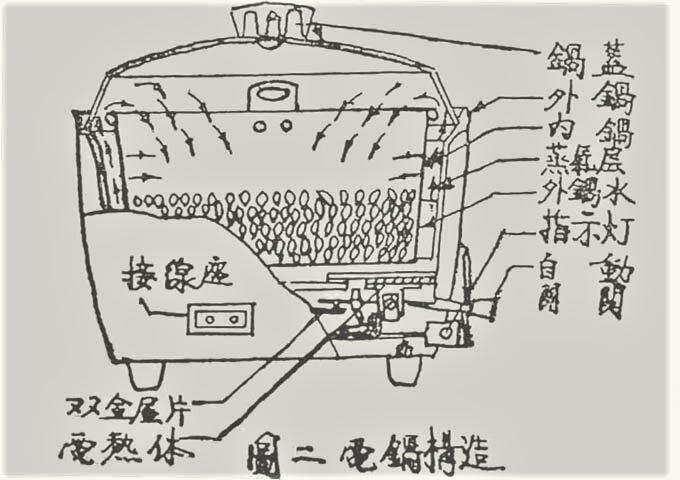
The concept is straightforward; it’s a steamer that shuts itself off when the water boils away. Place your ingredients into the included pot, pour a bit of water into the appliance, and place the pot inside. Press the switch to start cooking. The water will boil, steaming the food. Once the water evaporates, the switch flips off, producing a nostalgic, pavlovian ‘pop’ sound. The Tatung is not a rice cooker that can do a few other things; it is a countertop steamer that incidentally makes excellent rice. Indirect Steam CookingThis indirect steam method of cooking is what sets the Tatung Steamer apart from other rice cookers. It’s structured like a double boiler, with a layer of water between the cooking pot and the heating plate (in other rice cookers, the heating element is in direct contact with the vessel containing the rice). This envelops the rice—and anything else being cooked—in a cloud of steam. Where rice is concerned, this results in quicker, gentler, less vigorous cooking, and more intact grains. The temperature never rises above that of the steam, so things like black sesame oil, which normally turns bitter at high temperatures, retains better flavor.
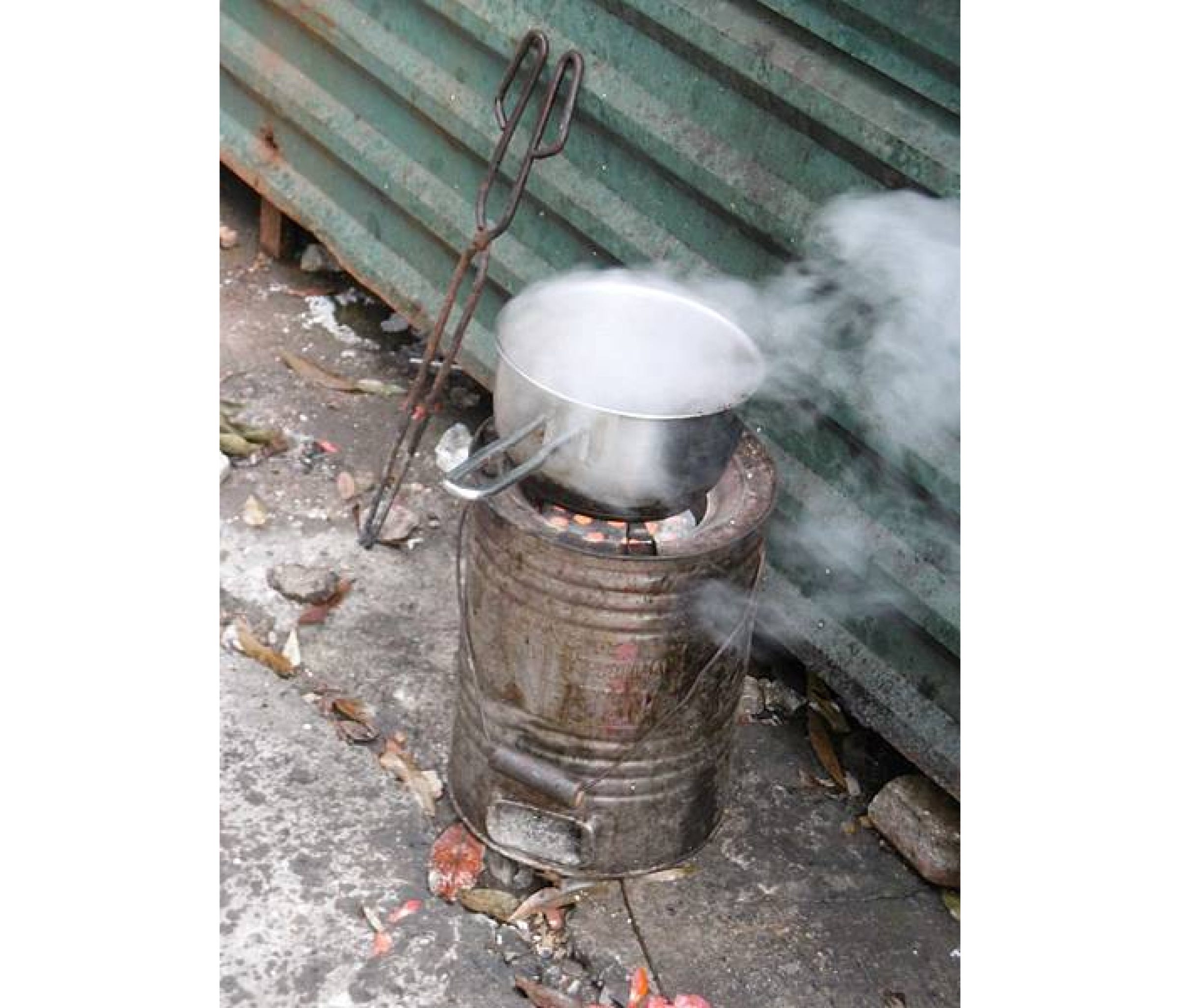
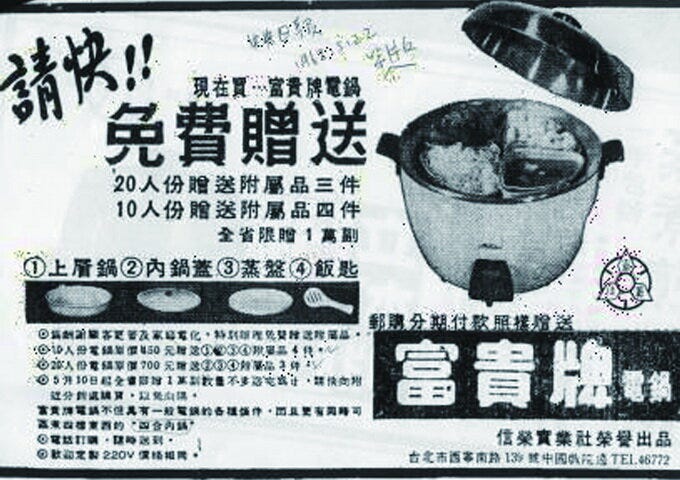
The Tatung Steamer was originally designed and sold as a multifunctional cooker. It was marketed with accessories that allowed families to cook multiple dishes at once, like divided inner pots (one side for stew and one for rice). When the Tatung was being developed in the mid-20th century, many Taiwanese households didn’t have stoves, and cooked largely with coal briquettes 煤球 outside, making rice, sometimes with crusty, scorched bottoms, in iron woks—still a delicacy if you ask me.
Though Taiwanese homes were gaining access to electricity, supply was low. The Tatung steamer was engineered within these conditions, drawing relatively low wattage (600 watts, less than your average coffee maker) and allowing households to cook multiple dishes at the same time, making good use of the scant power supplies available. People still stack bamboo steamers on their Tatungs and fill them with bowls of varying dimensions to cook many things at once. (Read more about the societal and technological climate that led to the development and popularization of the electric steamer in Thinking Outside The Pot: The Bond Between Taiwan And The Steam Rice Cooker, by Qin Xian Yu 秦先玉 in the Taiwan Gazette.)
The popularization of the Tatung was a major event in Taiwan, bringing about a change in the way food was prepared and life was lived. My mother recounted that they had an electric pot long before they had a stove. Once the electric steamers showed up, cooking could move inside and became simpler and more reliable. As Taiwanese historian Chiang Hsun writes in The Five Elements of Cooking in the Olden Days: The first electric cooker appeared in Taiwan in 1960, completely changing the way people cooked rice. With the advent of electric cookers, the joy and happiness of the entire family and neighbourhood was indescribable. When you reach a certain age, you would understand that a real change of era happens when the daily lives of the common people are transformed. The importance of the Tatung Electric Rice Cooker and Steamer to Taiwanese identity and culture can’t be overstated; I agree with the author above—the joy is indescribable. It transformed the lives of our parents and grandparents in Taiwan, and ushered in and shaped an era. Home is where the Tatung is. 大同 X 雲海 Tatung X Yun HaiWe’re honored to be partnering with Tatung Company in Taiwan to release the original red and green colorways of the Tatung Electric Rice Cooker and Steamer to the US market. These beautiful and so-very-Taiwan colors are exclusively available through us. We made a custom box, designed by Taiwanese studio O.OO, and a special edition cookbook—more on that below.
Our goal is not just to sell great colors of our favorite cooker, but to tell the story of Tatung differently, telegraphing the knowledge, history, and sense of place that this appliance has created for Taiwanese people throughout the world. We also felt that some of the knowledge guiding Tatung usage could use a reintroduction, expanding its identity from a rice cooker to the electric steamer it actually is. We’re grateful that Tatung Company in Taiwan has trusted us with this, allowing us to represent the appliance in our own way. We hope to create much more English language facing content about the Tatung steamer and continue to share the Taiwanese way of life. It also happens that Tatung USA, the US distributors of these steamers in the white and stainless steel colorways, permanently closed their doors in July, so we are now the only place to get a new Tatung in the US. Unintentional timing—we’re not exactly happy about that. We’ll do everything we can to keep these available for as long as possible, available online and at our brick and mortar store in Brooklyn.
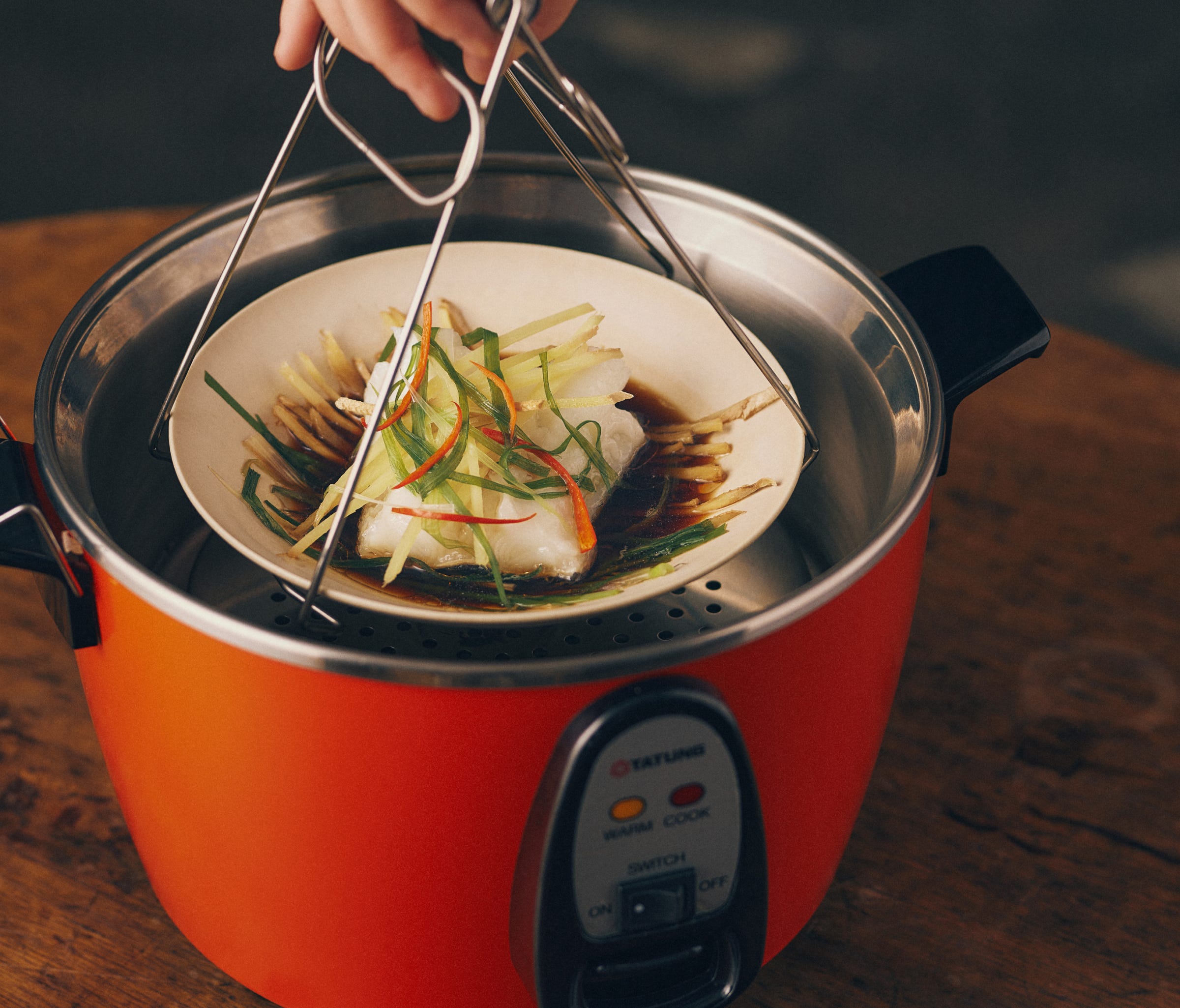
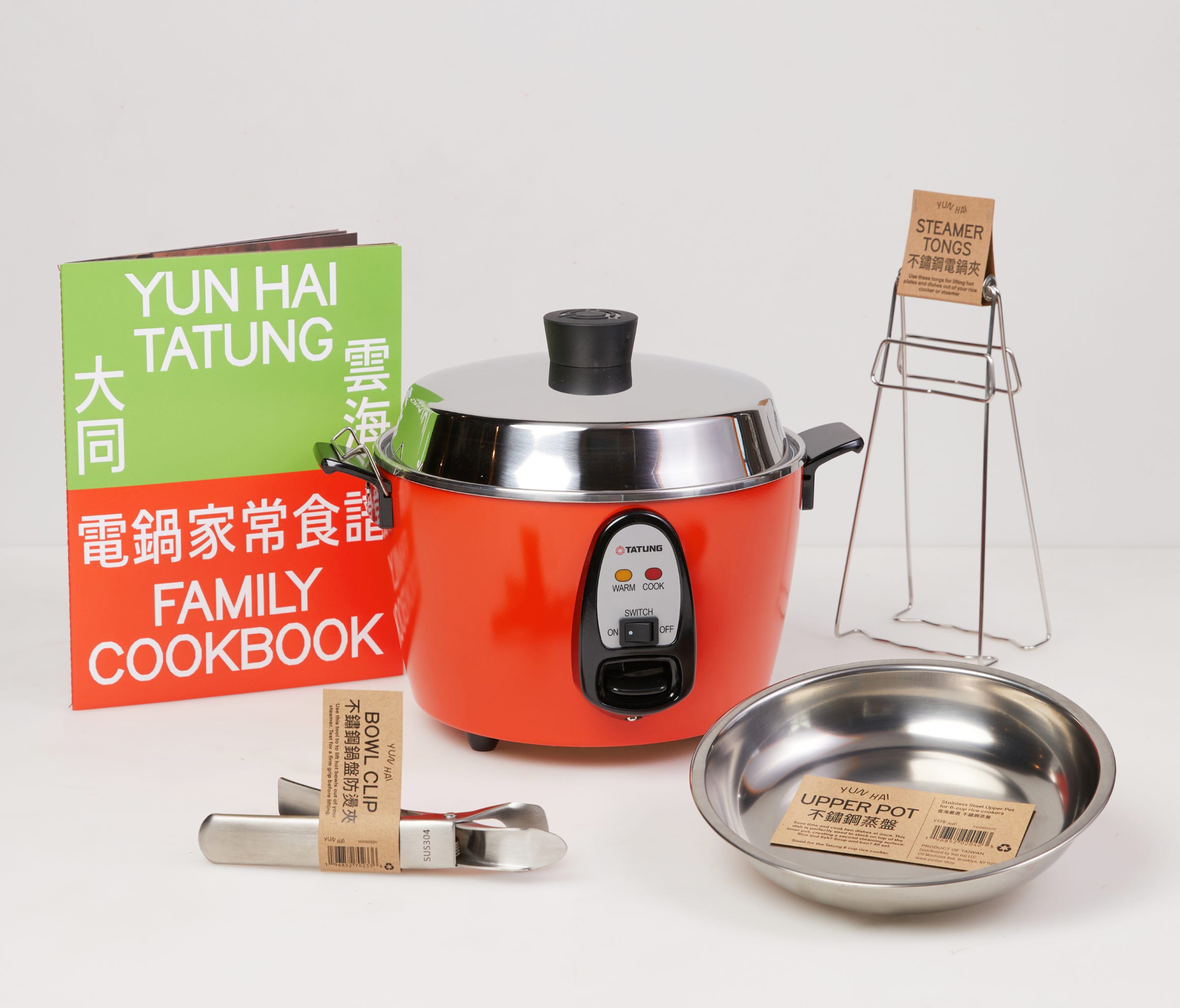
In addition to the steamers, we felt it was important to present a set of tools that make it easy to integrate steaming into everyday cooking. We selected steamer tongs, a bowl clip, and an upper pot to include in our offering—all accessories that are common in Taiwan but may be unfamiliar here. The steamer tongs allow for easy removal of hot plates, the bowl clip offers a safe and sturdy way to pick up hot bowls, and the upper pot nestles into the steamer pot, providing a second steaming surface inside the appliance. We’re offering these on their own or bundled with the steamer.
大同雲海電家常食譜
|

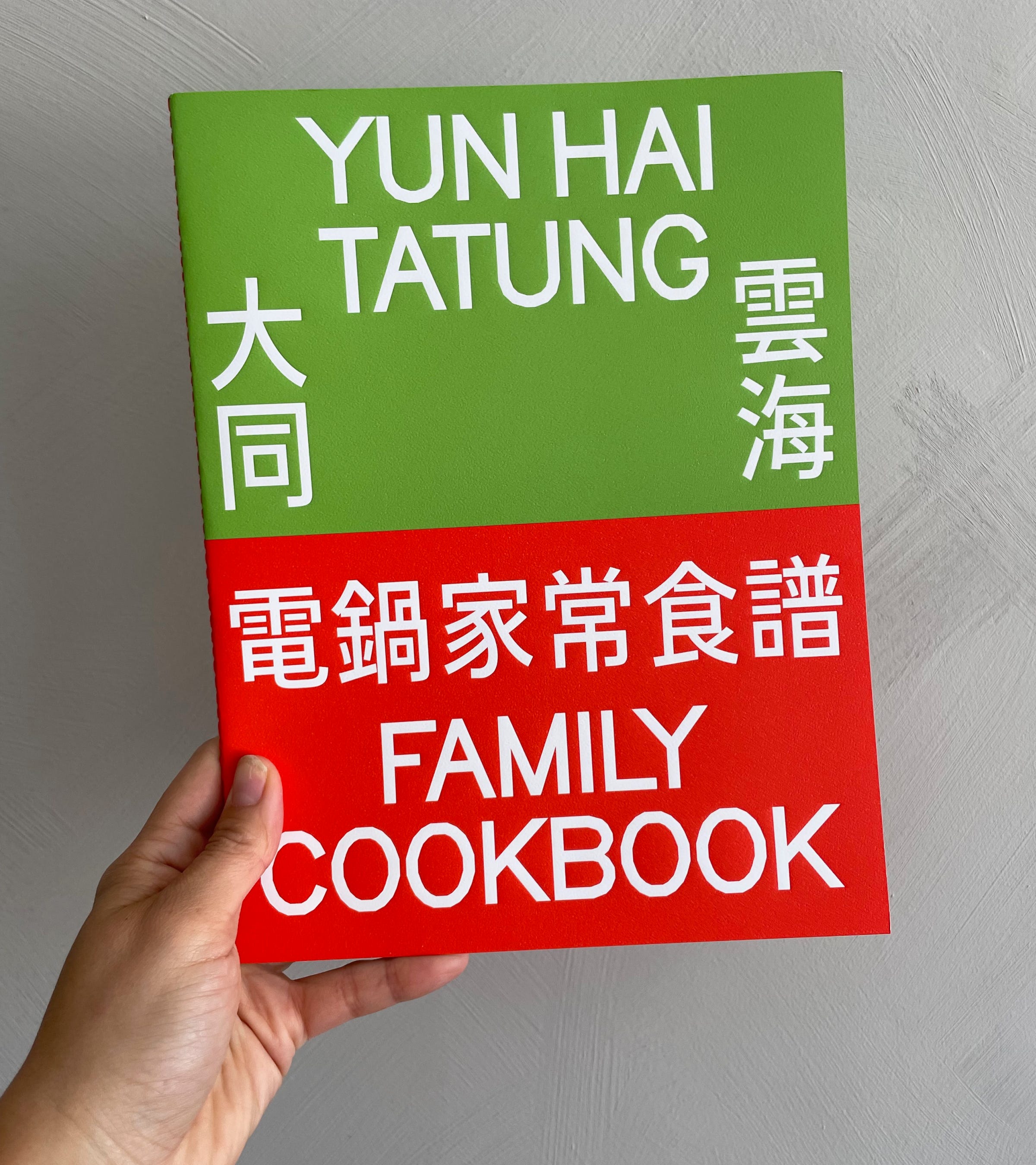 |
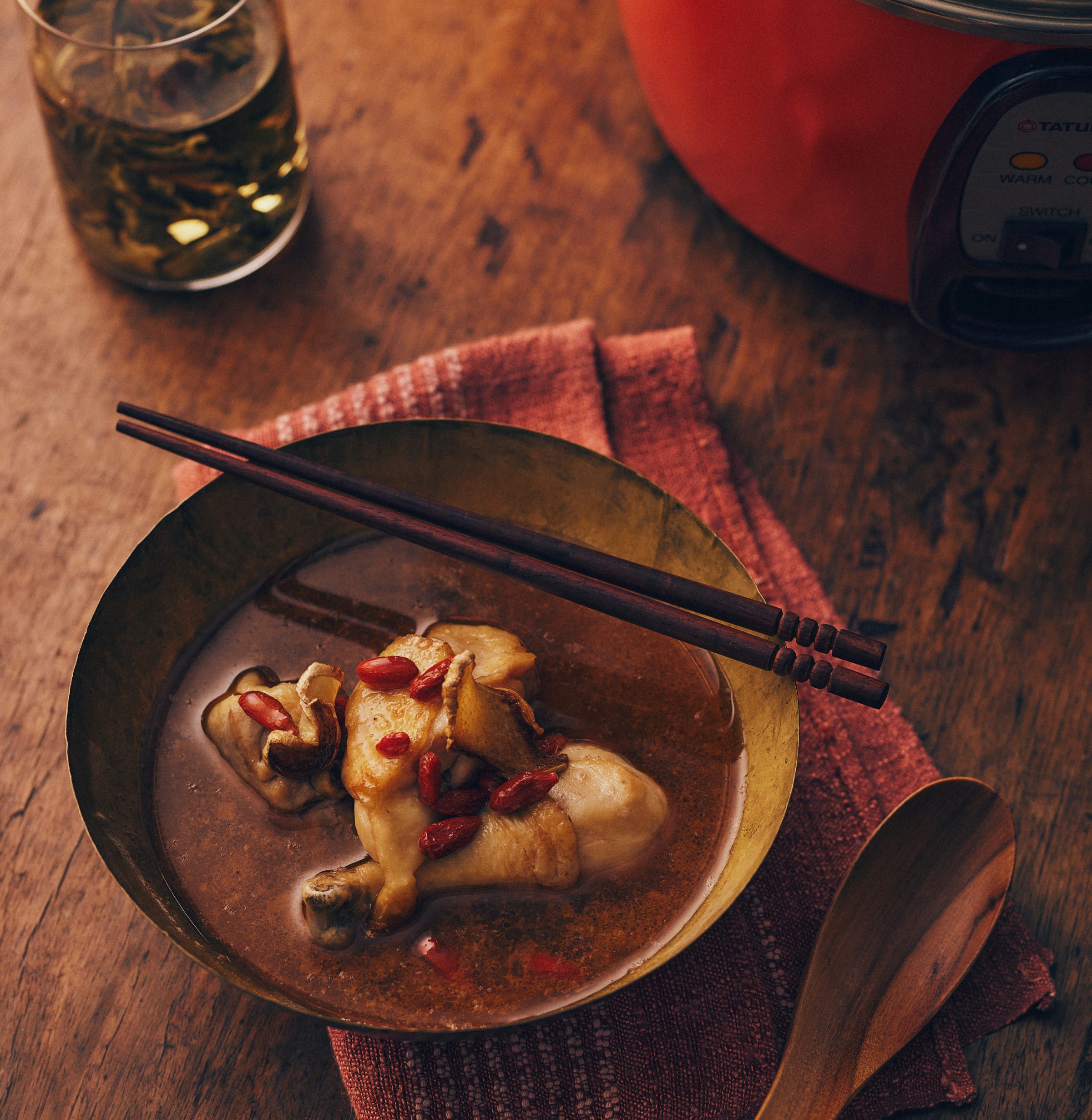
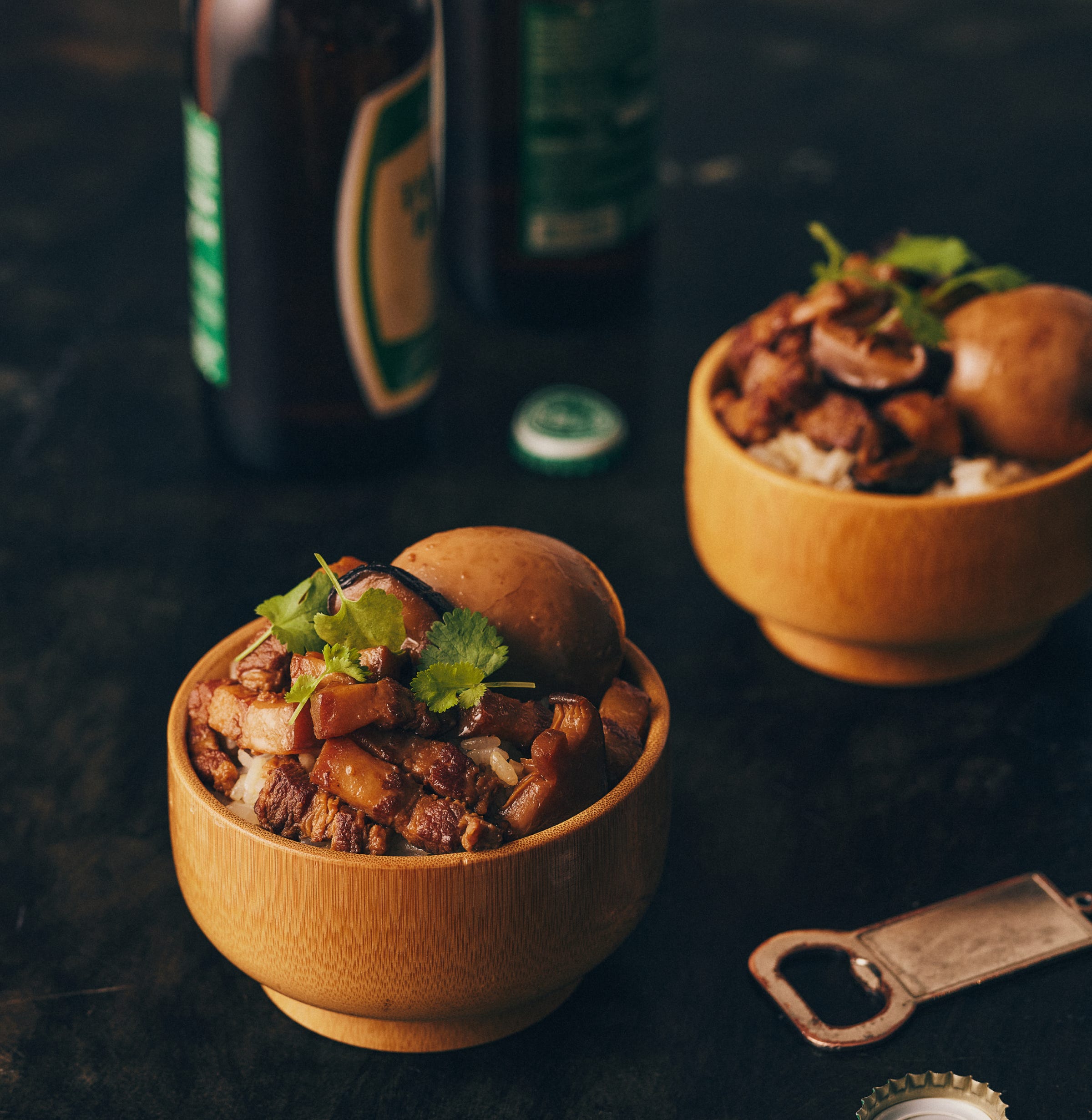
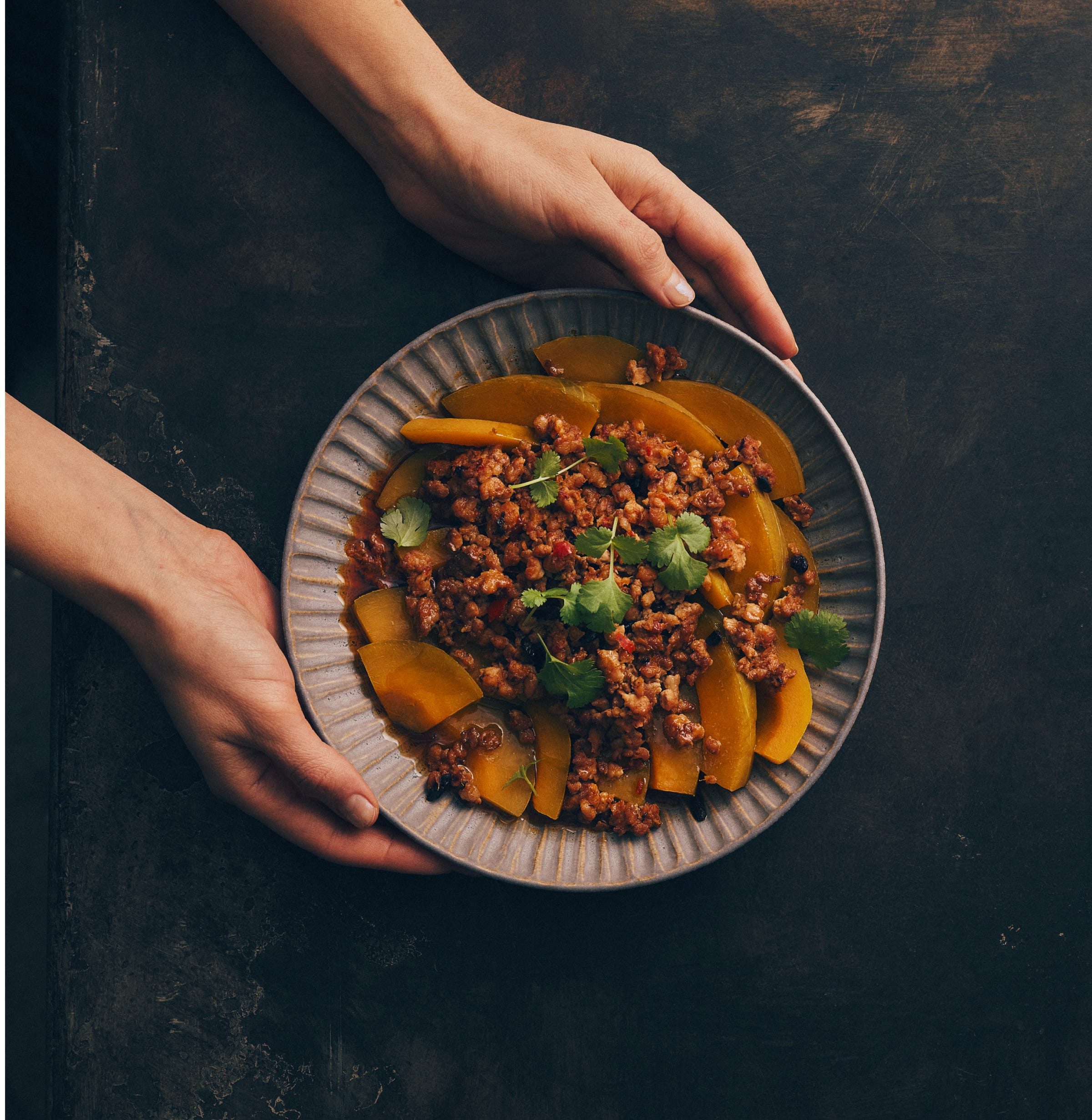
This publication includes a brief introduction to the appliance; some tips, tricks and frequently asked questions; and ten recipes, including: Steamed Rice, Caramelized Sugar Tea Eggs, Sweet Potato Congee, Black Sugar Cake, Black Sesame Oil Chicken Soup, Braised Pork Over Rice (Lu Rou Fan), Steamed Kabocha with Black Bean Sauce, Taiwanese Homestyle Steamed Fish, Taiwanese Sticky Rice with Sausage, and Steamed Egg.
A sneak peek of some of our recipes below:
 |
 |
 |
The book was written with help from Cat Yeh and Lillian Lin, and designed by O.OO. Photography, art direction, and food styling were provided by Robert Bredvad, Stephanie H Shih, and Jessie YuChen, respectively. The Yun Hai Tatung Family Cookbook is available bundled with the steamer, or, in case you’ve already got a Tatung (cause really they do last forever), as a standalone hard copy.
While I’m at it, here are a few other things you should check out this week:
In a Tense Political Moment, Taiwanese Cuisine Tells Its Own Story
by Tejal Rao, NY TimesTaiwanren 台灣人 podcast just kicked off its new season about Food, and we’re featured in episode one <3
Clarissa Wei, Ivy Chen, Cathy Erway, and I were interviewed by Cook’s Illustrated for a feature on Taiwanese Crispy Pork Chops
The TACL-LYF (Taiwanese American Citizens League) Taiwanese Home Cooking cookbook has finally been reissued, a collection of recipes from Taiwanese moms and grandmas from around the world
And that almost does it for August.
Your resident steampunk,
Lisa Cheng Smith
鄭衍莉
Editing for this installment provided by Lillian Lin. Photos by Robert Bredvad and Alistair Matthews unless otherwise credited.
If you enjoyed this newsletter, please share it with friends and subscribe if you haven’t already. I email once a month, sometimes more. For more Taiwanese food, head to yunhai.shop, follow us on instagram and twitter, or view the newsletter archives.
 Like Like |
 |
 |
If you liked this post from Yun Hai Taiwan Stories, why not share it?

© 2022 yunhaishop
170 Montrose Ave, Brooklyn, NY 11206
Unsubscribe


