Most people know omega-3s are important. What most don’t realize is that the label on the bottle doesn’t tell the whole story.
When I evaluate a fish oil, I look at two things: how much EPA and DHA it actually delivers and how pure that oil is. Those two factors determine whether a fish oil can meaningfully improve your metabolism or simply take up space in your supplement cabinet.
What are EPA and DHA?
EPA and DHA are the two most important long-chain omega-3 fatty acids found in fish oil. While they are often grouped together, they play very different roles in the body. EPA helps control inflammation and improve your AA to EPA ratio, one of the best markers of omega-3 status. DHA is a critical structural building block of the brain, eyes, and nervous system. Both are essential, but they are not interchangeable.
How much EPA and DHA do you really need?
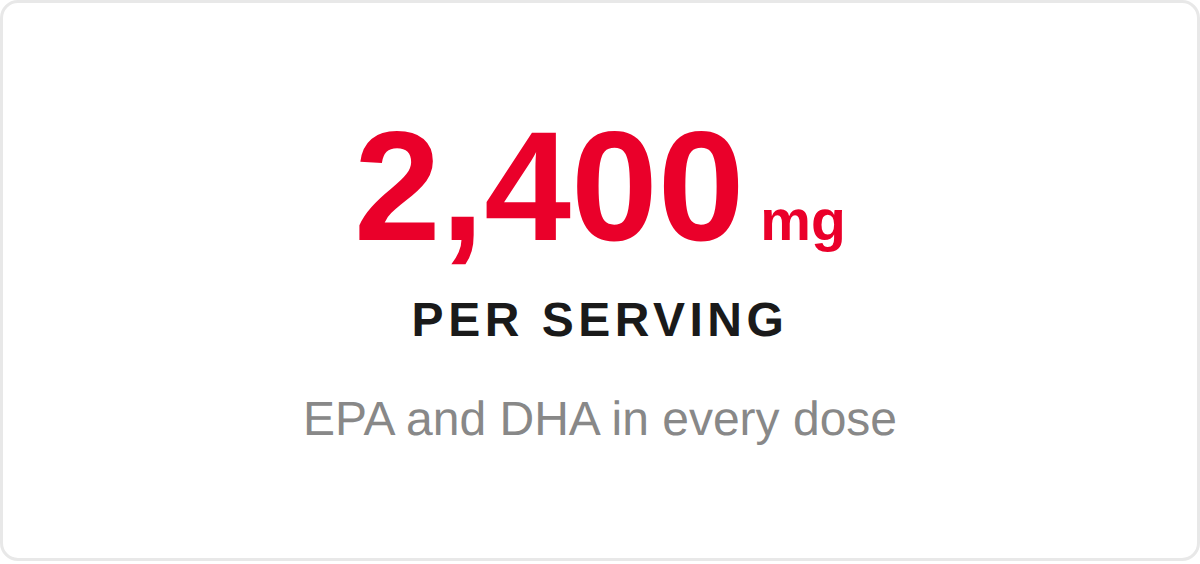
I recommend at least 2,400 mg of EPA and DHA each day. That’s the amount needed to begin shifting your body’s inflammatory balance in the right direction.
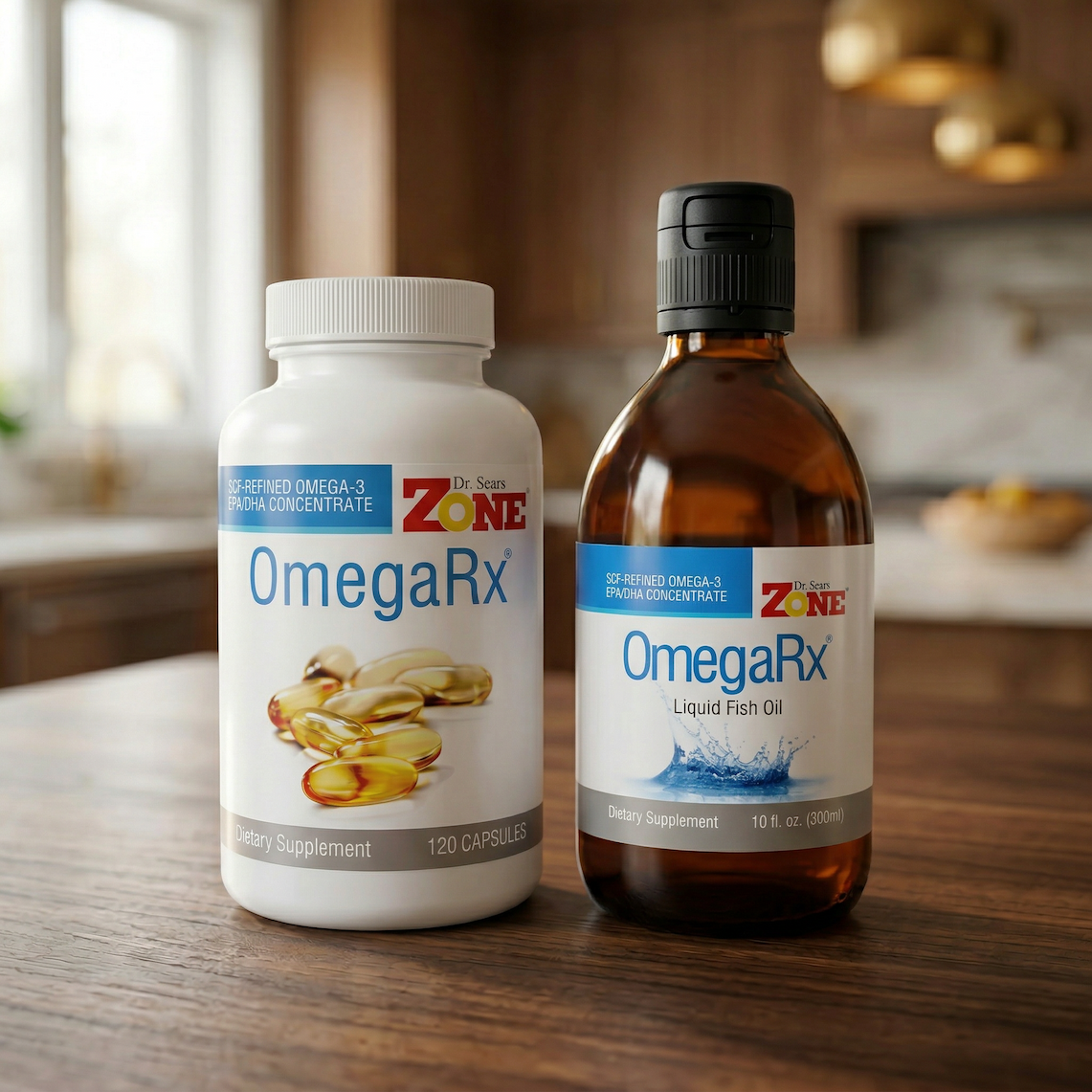
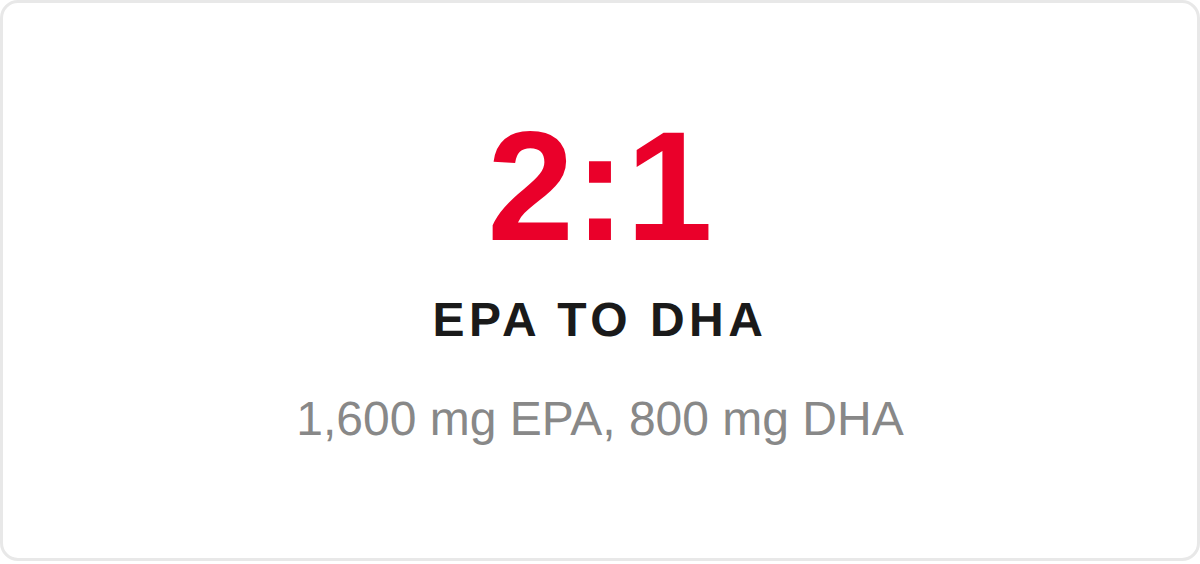
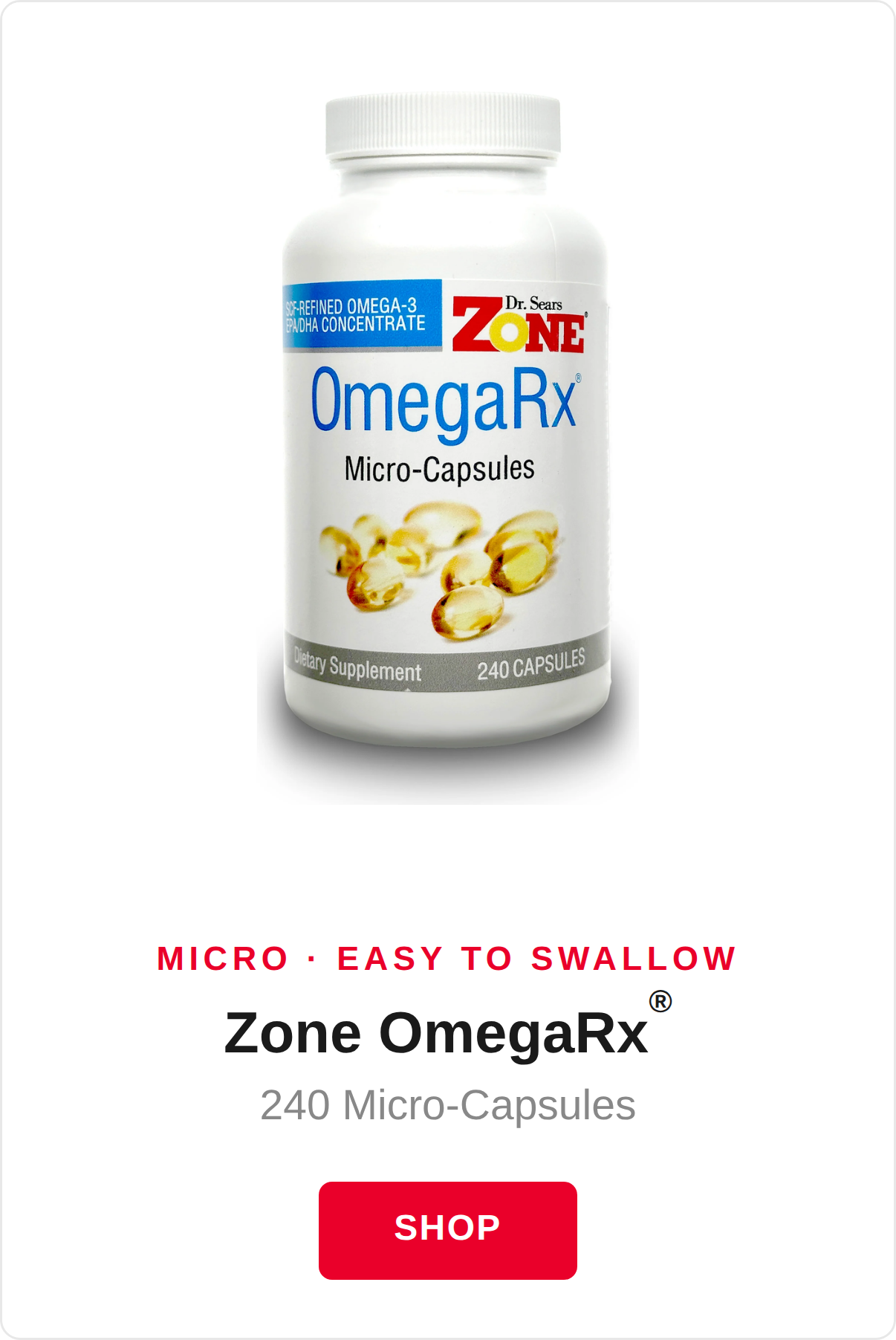
Each serving of OmegaRx® delivers exactly that: 1,600 mg of EPA and 800 mg of DHA, a 2:1 ratio designed to emphasize EPA, the omega-3 most responsible for helping improve your AA to EPA ratio.
Unfortunately, many fish oil supplements simply don’t provide enough EPA, enough total omega-3s, or both. And relying on food alone isn’t much easier. To reach the same amount of EPA and DHA naturally, you would need to eat roughly two pounds of tuna every day.
That’s why the amount of omega-3 you take and the quality of the oil delivering it matter far more than simply taking “a fish oil.”
|