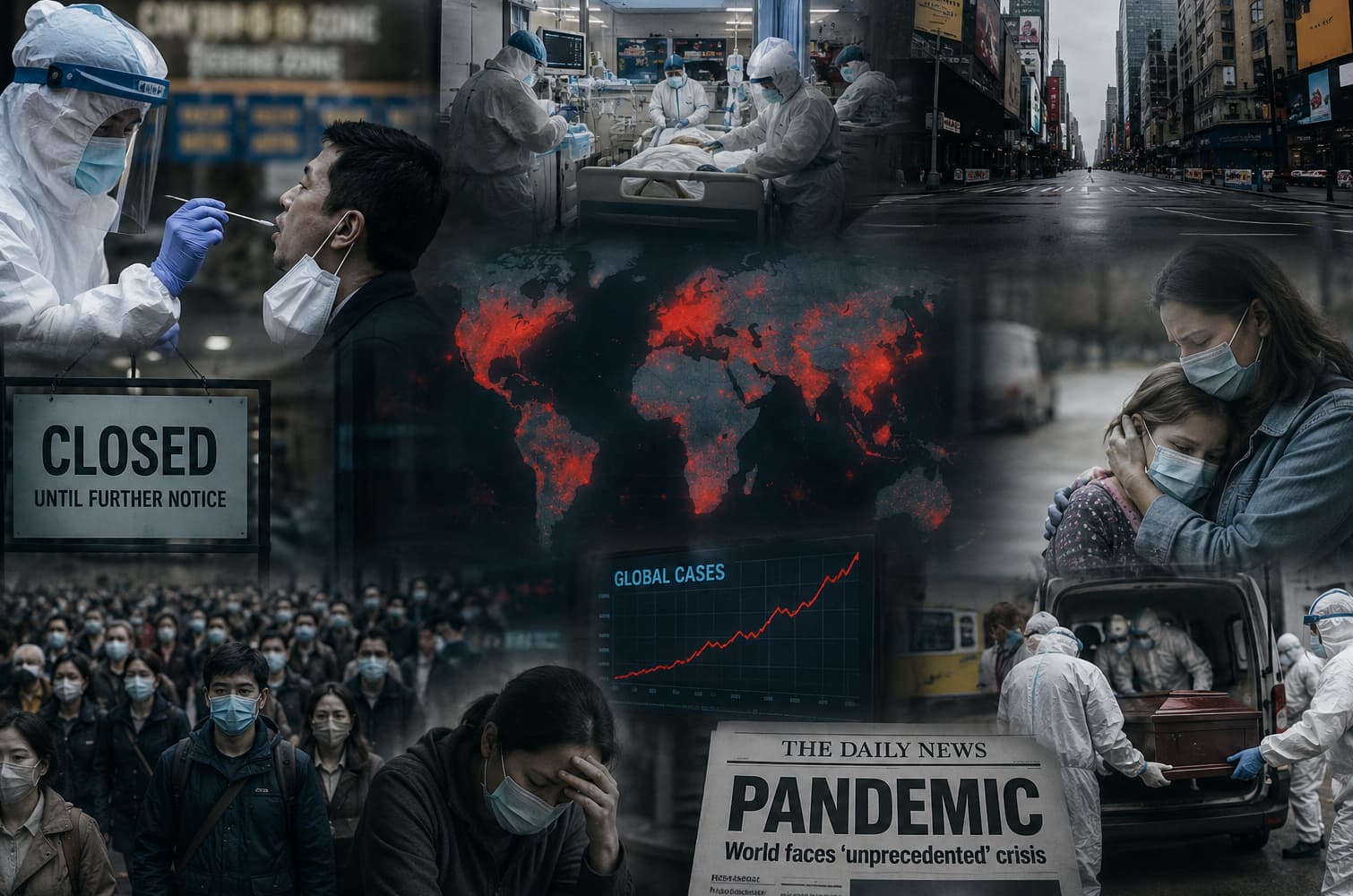
For the last few weeks, we have been treated to nonstop legacy media coverage of a cruise ship stricken with the deadly hantavirus. Hantavirus, with its 40% mortality rate and an incubation period lasting for weeks, made the perfect plandemic boogey man. With some of the initial fears about the human-to-human spread of hantavirus beginning to subside, we are now be treated to a new plandemic scare: Ebola.
Congo will open three Ebola treatment centers in the eastern Ituri province, and the World Health Organization is sending a team of experts to the country, following an outbreak of a rare type of the virus that has killed more than 110 people.
An American doctor in Congo is among the newly confirmed cases of the virus with no approved vaccines or medicines, Congolese officials said Monday, as details emerged about the government’s delayed response to the outbreak.
The WHO on Sunday declared the Ebola outbreak a public health emergency of international concern. As of Monday, there were over 118 deaths and 300 suspected cases in Ituri and North Kivu provinces, and one death and one suspected case in neighboring Uganda. Experts say the number of cases is likely to rise as health officials conduct more surveillance.
In Geneva, Prof Matthew Kavanagh, director of the Georgetown University Center for Global Health Policy & Politics, said aid cuts may have played a role in leaving the world “playing catch-up against a very dangerous pathogen”.
He said: “Because early tests looked for the wrong strain of Ebola, we got false negatives and lost weeks of response time. By the time the alarm was raised, the virus had already moved along major transport routes and crossed borders.
“This crisis didn’t happen in a vacuum. When you pull billions out of the WHO and dismantle frontline USAID programmes, you gut the exact surveillance system meant to catch these viruses early. We are seeing the direct, deadly consequences of treating global health security as an optional expense.”
After failing to get a global pandemic treaty in the wake of the COVID-19 pandemic, a treaty that would have ceded unprecedented power to unelected global healthcare elites, the globalists are now clamoring for a new “independent” entity to monitor and respond to global pandemics:
Countries failed to meet a deadline to finalise the pandemic agreement treaty before this week’s World Health Assembly in Geneva, after disagreements over guarantees of access to medical tests, vaccines and treatments in exchange for sharing information on any pathogens emerging on their territories.
The GPMB called on political leaders to establish a permanent, independent monitoring mechanism to track pandemic risk, conclude the pandemic agreement to ensure equitable access to vaccines, diagnostic tests and medicines, and put in place financing to secure preparedness and immediate responses to outbreaks.
Be Prepared, Not Scared
The sad reality is that the globalist forces responsible for the COVID-19 plandemic are itching for an opportunity to run it back again: this time with a virus like the hantavirus or Ebola that have dramatically higher mortality rates. They see the power and money they were able to amass during COVID and they worry that the medical freedom movement is finally gaining traction here in the US and across the globe.
So what should the average American think about a potential hantavirus pandemic or an Ebola pandemic or really any pandemic?
Be prepared, not scared.
You don’t have to be reliant on big pharma and the globalists elites to keep you safe. You already have the most powerful healthcare weapon known to mankind: your natural immune system.
Throughout the COVID pandemic, Dr. Zelenko warned about unnecessary vaccines and urged people to focus on boosting their body’s natural immune systems to help protect them and keep them healthy.
Dr. Zelenko knew that often the best defense isn’t an injection from a pharmaceutical company, but that at the end of the day, your body’s best defense is the one that God gave you – your immune system!
So how do you make sure that this God-given armor it as its absolute best? How do you super-charge your immune system?
There are many ways to boost your immune system, including lifestyle changes. Quitting smoking, exercising regularly, managing stress, getting proper sleep, maintaining a healthy weight, and eating immune-boosting foods are all good steps that people can take.
In addition to these lifestyle changes, there are safe, effective and affordable supplements that can help to boost your immune system.
Z-Stack, the over-the-counter version of the Zelenko Protocol, which was famously followed by President Donald Trump when he had COVID, is the gold standard when it comes to boosting your immune system.
Here is how Z-Stack works:
https://rumble.com/v2htrdy-the-zelenko-protocol.html