Twelve years ago, newly pregnant in Ireland with my daughter, I needed an ultrasound. When I told the doctor I didn’t have insurance, she winced. “It’ll be expensive,” she warned. The damage? $75.
Back in the US, that number may pay for a few hospital-administered painkillers. It’s one reason more Americans are considering medical tourism, where the same procedure may cost a fraction of the US price when abroad.
If a full workup isn’tin your next vacation plan, here are three ways to make your healthcare dollars go further.
Negotiate directly with the provider. There may well be no “set” price for services. If you have a large portion of the bill that’s not covered by insurance, call and negotiate. And if you hear “no,” ask to speak to a supervisor. Here’s the script one woman used to save $800 over the course of a year.
— Anna “Researching Dentists in Costa Rica” Davies, writer
Well, well, well
What's Making the Rounds
Could your mad dash to work be a workout? Maybe. One recent study found just three minutes of sprinting may be more beneficial than a longer, more moderate running session.
Before you pour your heart out in your Instagram Story, writing a TMI confession for your eyes only may make you feel better — mentally and physically.
Excuse the potty talk, but youWe could be inhaling germs when you flush … and “plumes can still escape” even when you close the lid.
Bring up the annoying stuff. Sure, you’re only on a trampoline once in a blue moon. But if it makes you pee every time, tell your doctor. Decreased estrogen could be to blame, but it could also be a pelvic floor issue — and treatment exists for both.
Your pleasure matters. Lubricants and vaginal moisturizers may help with milder symptoms — same for prescriptions. Testosterone gets plenty of attention, and it’s supported for postmenopausal women with diagnosed low sexual desire, not as a cure-all for every late-millennial bedroom problem.
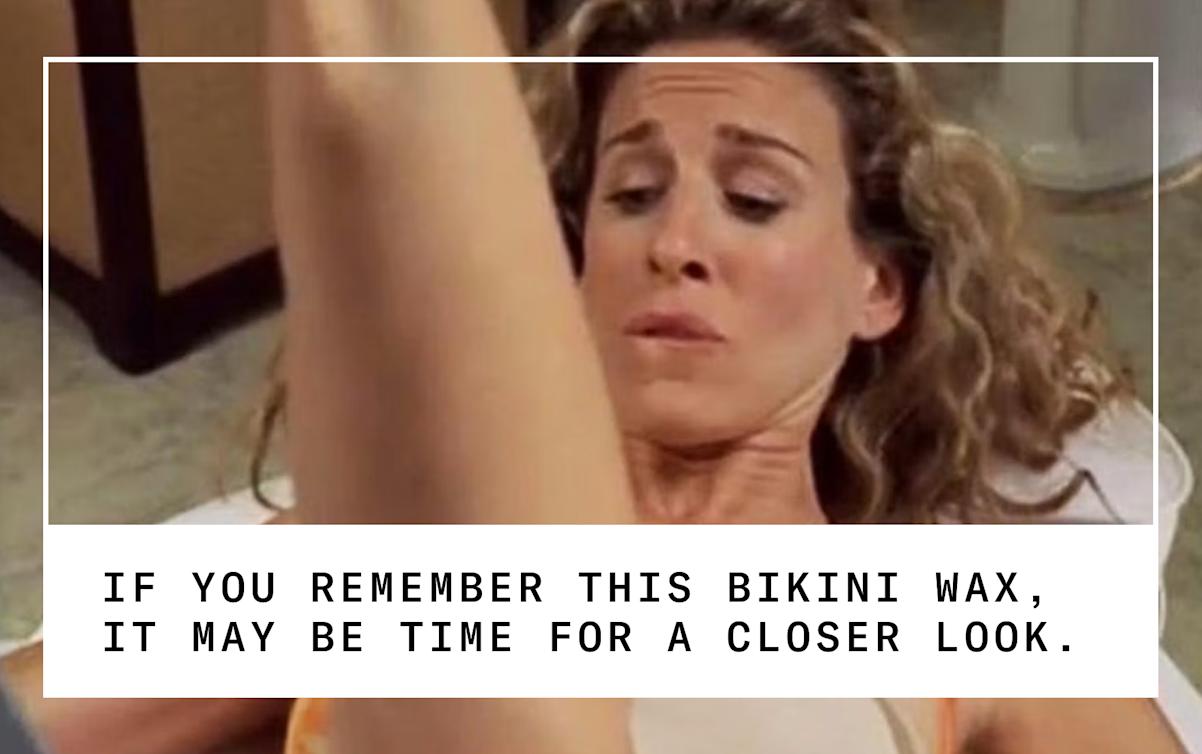
Get to know the landscape. Looking at your vulva with a mirror may sound straight out of a 1970s consciousness-raising circle. As estrogen drops, the vaginal opening may look smaller, while tissue can become thinner, drier, and easier to tear. Knowing what’s normal for you can help you bring issues to your doctor.
You Tell Us
What’s really getting in the way of taking care of your mental health?
Whatever's holding you back, Rula makes it easy to access quality, affordable care. Find a provider that takes your insurance in less than five minutes.
the more you know
Are You Well Informed?
What recent pediatric intervention drastically cut the risk of children developing peanut allergies?
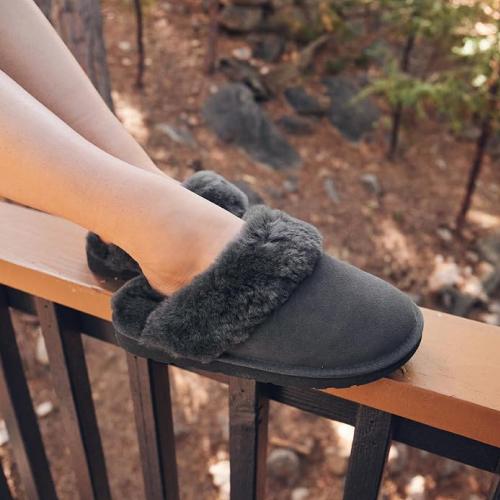
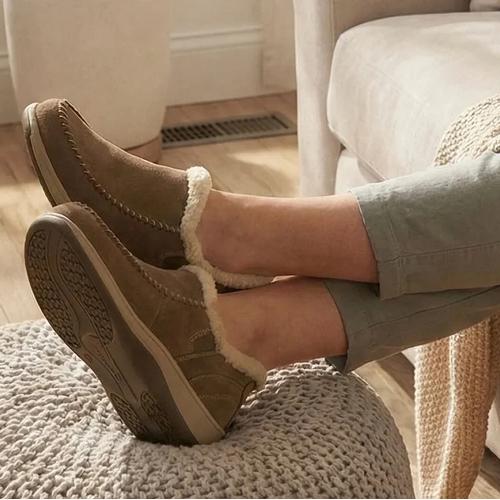
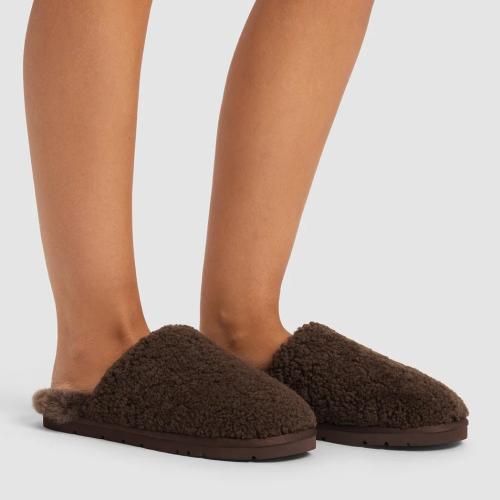
Going barefoot worked for summer, but fall is about structure, including below the ankles. A good pair of slippers keeps your feet warm while adding the cushion and arch support you may have been missing these last few months.
The chicest track pants we've ever seen. Our editor loves them for walks, flights, and workouts.
Psst…love our recs? Follow @skimmshopping on Instagram for more products, gifts, and services that are actually worth the hype (and the price tag).
everything's fine
Ahead of Schedule
Millennials have been accused of being late to grow up. Biologically, though? We might be crushing it … and it’s not a good thing. Recent research from Washington University found signs of accelerated aging in certain organ systems, which may help explain why younger generations see higher rates of some cancers, including uterine, colorectal, and gastrointestinal cancers. For now, keep up with routine appointments and recommended screenings, know your family history, and don’t brush off symptoms because you feel “too young” for them.
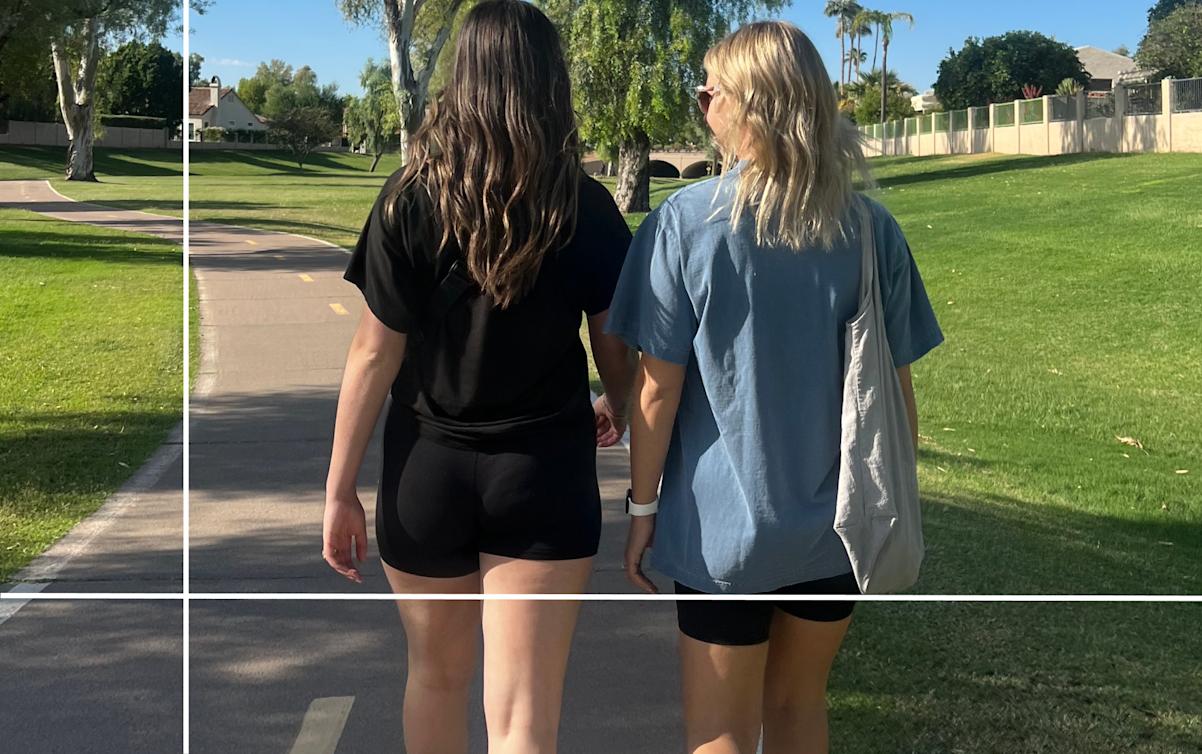
To date, we’ve had the silly little walk, the hot girl walk, the fart walk, and now the lymphatic walk. At this rate, picking up the mail requires a decision tree. So, what’s the deal with lymphatic walking?
A refresher: The lymphatic system is a network of vessels, nodes, and organs that collects excess fluid from tissues, transports immune cells, and returns that fluid to the bloodstream. It doesn’t have one big pump like the heart; vessels contract because of nearby arteries and muscles, while breathing and everyday movement help nudge lymph along.
Some people have problems with lymphatic drainage, which leads to a condition called lymphedema. But for most, that puffy feeling after a long day of sitting may ease once they get up and move around.
A “lymphatic walk” is basically a regular walk with deeper breathing and a more committed arm swing. There’s no evidence that it does anything an ordinary walk can’t. But if your walk could use an upgrade, or you’re over your usual grumpy little trudge, go for it.
No Notes
Shop smarter with the Skimm Shopping newsletter—your guide to curated products, books, and more to solve your everyday needs.
This content is for informational and educational purposes only. It does not constitute a medical opinion, medical advice, or diagnosis or treatment of any particular condition. Always seek the advice of your physician, mental-health professional, or other qualified health provider with any questions you may have regarding a medical condition. Products you buy through our links may earn us a commission.